
Planting
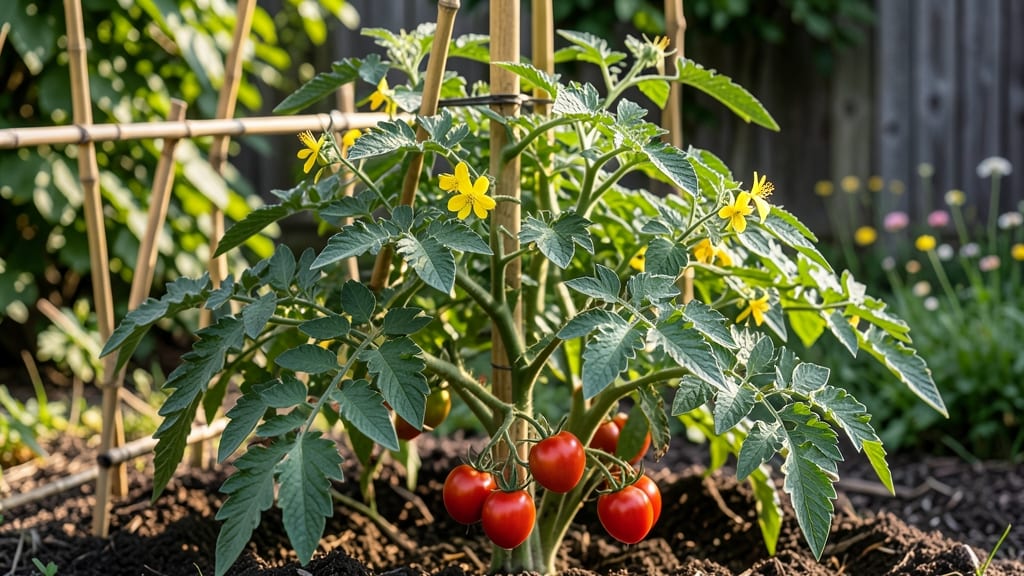
A mature tomato plant 🍅 can transform your garden into a fruit factory—but only if you know when and how to prune, stake, and support it.
Picture this: 6-foot vines sagging under the weight of 10-pound tomatoes, branches snapping in storms, or fruit rotting on the ground because you missed the pruning window. The difference between a flop and a feast often comes down to a few simple techniques most gardeners overlook.
In this guide, I’ll walk you through the exact pruning points to boost airflow, the best staking methods to keep your plants upright, and the harvest cues that tell you when to pick for peak flavor. No more guesswork—just bigger, healthier tomatoes all season long.
Whether you’re dealing with determinate bushes or indeterminate vines, these step-by-step tips will help you maximize yield without the common pitfalls. Let’s get started.


When and how to prune a mature tomato plant for maximum fruit
Pruning your mature tomato plant isn’t just about keeping it tidy—it’s the secret weapon for bigger, healthier fruit. When done right, pruning boosts airflow and sunlight exposure, which reduces disease risk and directs energy to fruit production.
But timing and technique matter: prune too much or too late, and you’ll stunt growth or miss your harvest window. The key is understanding your plant’s growth habit—whether it’s indeterminate (vining, continuous grower) or determinate (bushy, set-and-forget).
For indeterminate varieties like ‘Sungold’ or ‘Cherokee Purple’, pruning is essential to manage their sprawling vines. You’ll focus on three pruning zones: the main stem, side shoots (suckers), and lower leaves. Determinate types like ‘Roma’ or ‘Celebrity’ need minimal pruning—just remove diseased leaves and overcrowded branches.
The goal? Balance fruit production with plant health. Let’s dive into the step-by-step process to transform your tomato plant into a fruit factory.
Step-by-Step Pruning Guide for Mature Tomato Plants
-
Step 1: Identify Your Plant Type
Determinate (bush) vs. indeterminate (vining) -
Step 2: Prune Lower Leaves
Remove leaves touching the soil to prevent disease and improve airflow. Use clean pruning shears and cut at a 45° angle. -
Step 3: Remove Suckers (Indeterminate Only)
Suckers are shoots growing between the main stem and branches. Pinch or cut them off to redirect energy to fruit. -
Step 4: Thin Overcrowded Branches
For indeterminate plants, keep 1-2 main stems and remove weaker side branches to avoid competition. -
Step 5: Stop Pruning 4-6 Weeks Before Harvest
Pruning too late can delay fruit ripening. Focus on harvesting instead.
Start pruning when your tomato plant reaches 12-18 inches tall, but adjust based on your climate. In hotter regions, prune more aggressively to reduce heat stress, while cooler areas may benefit from lighter pruning to encourage faster growth.
Always use sterilized tools to avoid spreading disease. I like to prune on a dry, sunny morning—this gives cuts time to dry before evening moisture sets in.
One common mistake is over-pruning, which can stress the plant and reduce yield. For indeterminate varieties, aim to leave 3-4 main stems with 12-18 leaves per stem. Determinate plants need almost no pruning—just remove dead or yellowing leaves.
The 3-pruning zones method works best: Zone 1 (lower leaves), Zone 2 (suckers), and Zone 3 (overcrowded branches). Focus on Zone 1 first to prevent soil-borne diseases like early blight.
Knowing when to stop pruning is just as critical as when to start. For indeterminate tomatoes, halt pruning when fruit begins to color up—typically 4-6 weeks before your expected harvest date.
For determinate varieties, pruning is minimal, but you can still remove diseased or dead foliage throughout the season. Stopping too early can lead to excessive leaf growth at the expense of fruit, while stopping too late may delay ripening.
Pruning also plays a role in pest and disease prevention. By improving air circulation, you reduce humidity around the plant, making it harder for fungi like blight or powdery mildew to take hold.
I’ve seen firsthand how a well-pruned plant resists pests like hornworms and aphids better than an overgrown one. Plus, fewer hiding spots mean easier pest monitoring.
For container-grown tomatoes, pruning is even more critical because space is limited. Use the 3-pruning zones method but be more aggressive with lower leaf removal to prevent soil splash. In containers, indeterminate varieties may need weekly pruning to stay manageable.
Pro tip: Train your plant to grow along a trellis or cage early on—this makes pruning and harvesting much easier later.
If you’re new to pruning, start small. Remove just the lowest leaves first and observe how your plant responds. Over time, you’ll learn its unique growth patterns and adjust accordingly.
Remember, the goal isn’t perfection—it’s maximizing fruit production while keeping your plant healthy. With practice, you’ll develop a rhythm that works for your garden.
Finally, don’t forget to disinfect your pruning tools between cuts. Use a 10% bleach solution or rubbing alcohol to kill bacteria and fungi. This simple step can save your entire crop from disease. Happy pruning—your future tomato harvest will thank you! 🍅✂️
Best staking methods for mature tomato plants to prevent breakage and boost yield
Your mature tomato plants can reach heights of 6+ feet and produce hundreds of pounds of fruit—but only if you use the right staking system. Without support, heavy vines snap under fruit weight, leading to lost harvests and disease entry points.
The key is choosing a method that matches your tomato variety and garden space while preventing common mistakes like over-tightening or using weak materials.
Indeterminate varieties (like Sungold or Beefsteak) need tall, flexible support, while determinate types (such as Roma) benefit from sturdy cages. DIY solutions like bamboo stakes or repurposed trellis wire can work, but improper installation often causes more harm than good.
Let’s break down the best options to keep your plants upright and productive all season.
For indeterminate tomatoes, the Florida weave method is my top recommendation. Using 3/8-inch twine or jute string, weave a crisscross pattern every 12 inches up a 6-foot stake.
This creates a flexible net that supports fruit without restricting growth. Start staking when plants hit 18 inches tall—any later and vines may already be too heavy for sudden support.
If you’re working with determinate varieties, opt for heavy-duty cages (at least 6 feet tall) or DIY wire cages made from 18-gauge galvanized wire.
Avoid plastic cages—they bend under weight and trap moisture, inviting blight diseases. For containers, use 3-4 stakes tied to the plant’s main stem for stability.
One critical mistake I see often is over-tightening ties, which can girdle stems and restrict nutrient flow. Use soft fabric strips or Velcro plant ties instead of wire or zip ties. Also, never stake a plant until it’s at least 12 inches tall—young stems are too fragile.
For emergency repairs, wrap snapped stems with bamboo splints secured by soft ties to prevent further damage.
Pro tip: Reinforce stakes with concrete anchors in windy areas or use double stakes for extra support. With the right system, your mature tomato plants will stay upright, produce more fruit, and resist pests and diseases all season long. 🌱