
Companion Plants
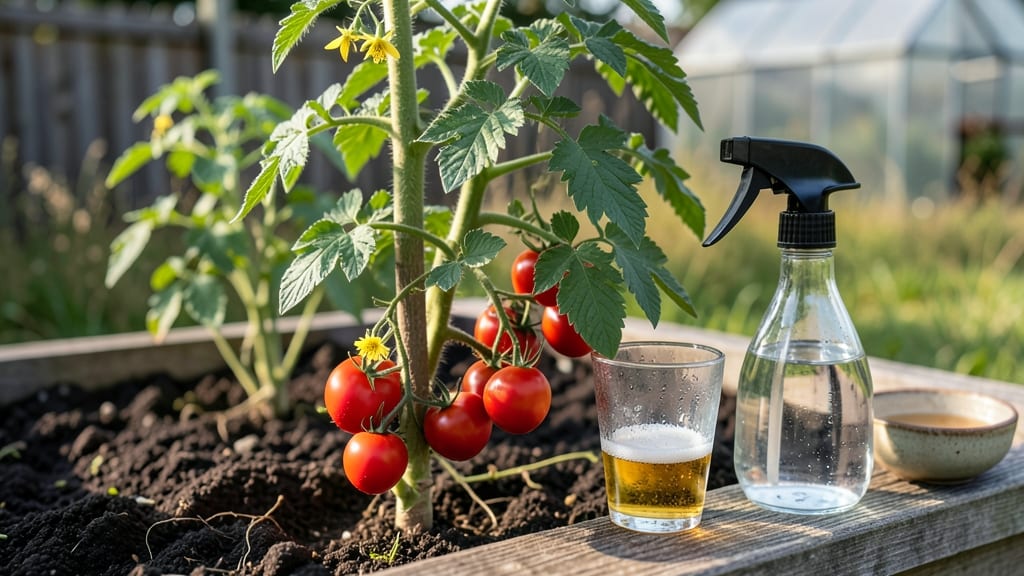
Beer is good for tomato plants because it provides nitrogen-rich nutrients, lowers soil pH for better nutrient absorption, and acts as a natural fungicide while deterring pests like slugs and snails. Use sparingly—overuse can harm plants by altering soil chemistry.
Tomatoes thrive when their soil has a slightly acidic environment, and beer naturally acidifies the soil while delivering a nitrogen boost from its yeast. 🌱 The hops in beer also create a mild antifungal effect, protecting plants from common fungal diseases like early blight.
I’ve seen gardeners swear by diluted beer sprays for both soil health and pest control—just mix equal parts beer and water for a safe foliar treatment.
What’s fascinating is how beer mimics the effects of compost tea without the mess. The yeast and barley in beer break down into nutrients that tomato plants love, especially during fruiting stages.
However, moderation is key—too much can create an anaerobic environment in the soil, harming beneficial microbes. For best results, use beer as a supplement rather than a primary fertilizer.
💡 In This Article
- How Beer Enhances Tomato Plant Growth and Soil Health
- Best Practices for Using Beer in Tomato Gardening
How beer enhances tomato plant growth and soil health
The real magic happens in beer’s composition. The nitrogen-rich yeast and barley wort provide a quick nutrient boost that tomato plants crave during their vigorous growth phases. A standard 12-ounce beer contains about 0.5-1 gram of nitrogen, which is comparable to a light dose of synthetic nitrogen fertilizer.
When diluted and applied to soil, this nitrogen becomes readily available to plants, promoting lush foliage and robust root systems. 🌱 The key is that tomatoes are heavy feeders, especially during flowering and fruiting, and beer delivers that nitrogen in a form plants can absorb almost immediately.
Beer’s acidity is another game-changer for tomato plants. Most garden soils hover around neutral pH (7.0), but tomatoes prefer slightly acidic conditions between 6.0-6.8. Beer typically has a pH of 4.0-4.5, which means even small amounts can gradually lower soil pH over time.
This adjustment helps unlock essential nutrients like phosphorus and iron that become less available in alkaline soils. For example, a 1:10 dilution of beer to water applied monthly can maintain that ideal acidic range without drastic swings that might stress plants.
The hops in beer contain compounds called alpha acids that act as natural fungicides. When applied as a foliar spray or soil drench, these compounds create a protective barrier against common tomato diseases like early blight and powdery mildew.
Studies show that hop extracts can reduce fungal spores by up to 30-40% when used preventatively. The antifungal effect is subtle but consistent—think of it as giving your plants a natural, beer-infused shield against pathogens that thrive in warm, humid growing conditions.
Beyond the direct benefits, beer stimulates beneficial microbial activity in the soil. The organic matter from the beer feeds soil bacteria and fungi, creating a more active rhizosphere—the zone around plant roots where nutrient exchange happens.
This microbial boost improves soil structure and water retention, which is especially valuable during dry spells. However, the catch is that beer must be used carefully—too much can create an anaerobic environment where harmful microbes outcompete the beneficial ones, leading to root rot.
What most gardeners don’t realize is how beer’s carbonation plays a role. The bubbles introduce oxygen into compacted soil when applied as a drench, helping roots breathe better. For container-grown tomatoes, this is particularly valuable since potting mixes can become dense over time.
A 1:5 dilution of beer to water poured around the base of potted plants every 2-3 weeks can maintain that loose, oxygen-rich soil structure while delivering nutrients.
For visual learners, imagine this: A tomato plant treated with diluted beer will show darker green leaves with a glossy sheen—signs of healthy nitrogen uptake. The flowers will be more abundant, and the fruit will develop a richer color and sweeter flavor.
The trade-off? You’ll need to monitor for slug activity, as the yeast in beer can attract these pests. A simple beer trap (pouring undiluted beer in a shallow dish) solves this problem elegantly. 🍅