
Companion Plants
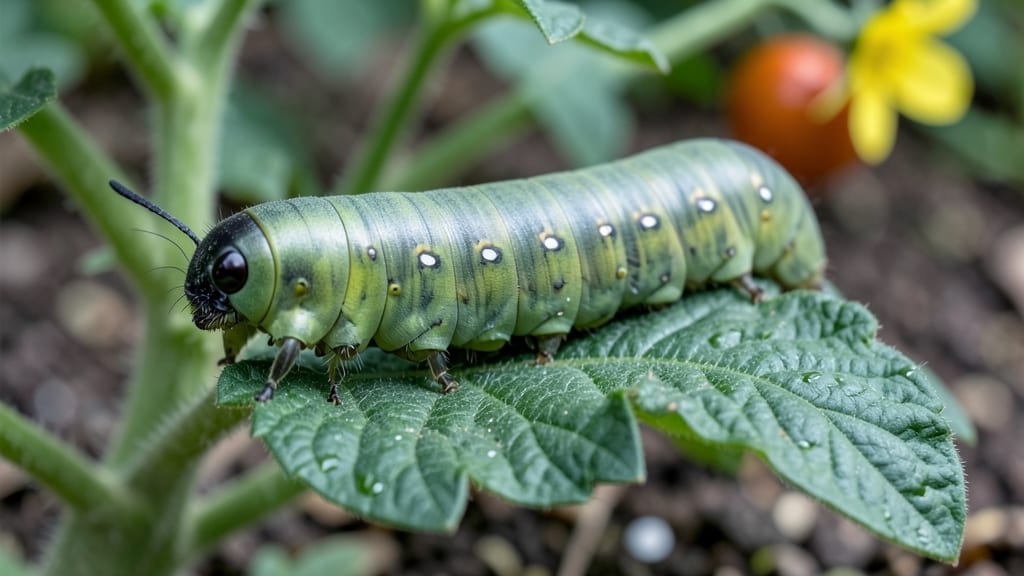
A huge caterpillar on your tomato plant isn’t just ugly—it’s a fast-tracked disaster if you ignore it. 🌱 I’ve watched hornworms strip entire vines in days, leaving behind skeletonized leaves and fewer tomatoes.
The good news? You can remove them safely without chemicals, and I’ll show you exactly how to do it without harming bees or other pollinators.
Most of these striped monsters are hornworms, the caterpillars of sphinx moths. They’re voracious but also vulnerable—handpicking them is the fastest way to stop the damage. Grab a jar, a trowel, or even your bare hands (they won’t bite) and pluck them off before they pupate.
Check plants in the morning when they’re sluggish from cool temps, and repeat every few days until you see no more.
Once you’ve removed the pests, focus on prevention. Plant basil, marigolds, or dill nearby—their scents repel hornworms naturally. You can also introduce parasitic wasps (like Cotesia congregata), which lay eggs inside hornworms and turn them into a buffet for birds.
It’s a gruesome but effective cycle that keeps populations in check without chemicals.
For next season, start monitoring early—look under leaves and along stems for tiny eggs. Crop rotation and removing plant debris also cut down on overwintering pests. With these steps, you’ll protect your tomatoes and keep your garden thriving without harming the ecosystem.
Root Causes Of Large Caterpillars
When you spot a massive caterpillar munching away on your tomato plants, it’s rarely a random act—it’s usually the result of specific conditions that turn your garden into an all-you-can-eat buffet for hungry larvae.
Understanding these triggers helps you disrupt the cycle before the damage escalates. Let’s break down the real reasons these pests show up in force.
Tomato plants with overripe, rotting, or fallen fruit create the perfect breeding ground for caterpillars like the hornworm or tomato fruitworm. Here’s why:
- Nutrient-rich decay: Rotting fruit releases sugars and organic matter that attract adult moths, which then lay eggs on nearby leaves. The larvae hatch and immediately start feeding.
- Moisture magnet: Damp, decomposing fruit provides ideal humidity for egg-laying and larval survival. Think of it as a caterpillar’s spa—warm, wet, and full of easy snacks.
- Misdirected pollination: Some moths are drawn to fermenting fruit, confusing it with a food source. They lay eggs on leaves instead of the fruit itself, leading to a surprise infestation.
Actionable fix: Harvest tomatoes promptly, remove fallen fruit daily, and compost it far from your garden. If fruit is already rotting, bury it deep or toss it in a sealed bin.
Caterpillars thrive when their natural enemies (like birds, parasitic wasps, and ladybugs) are scarce. Here’s how imbalance happens:
- Pesticide overuse: Broad-spectrum chemicals (even some "organic" sprays) can kill beneficial insects faster than caterpillars, leaving your tomatoes defenseless.
- Monoculture gardens: Planting only tomatoes (or other nightshades) creates a caterpillar paradise with no predators to keep populations in check.
- Urban/suburban gardens: Fewer perches for birds (like trees or shrubs) mean fewer feathered pest controllers patrolling your plot.
Actionable fix:
- Plant companion plants like basil, dill, or marigolds to attract predatory wasps and hoverflies.
- Avoid neonicotinoid pesticides—opt for kaolin clay or BT (Bacillus thuringiensis) as targeted solutions.
- Install birdhouses or bat boxes to encourage year-round pest control.
Caterpillars like hornworms and tomato loopers are temperature-sensitive. When nights stay warm (above 70°F/21°C) and days are dry, their life cycle speeds up dramatically:
- Faster egg hatching: Many moths time egg-laying with warm evenings. Eggs hatch in 24–48 hours in heat, giving you a rapid caterpillar explosion.
- Reduced fungal threats: Dry conditions limit natural fungal diseases that would otherwise kill larvae, like Beauveria bassiana.
- Extended feeding windows: Warmth lets caterpillars gorge nonstop, growing from tiny specks to 4-inch monsters in weeks.
Actionable fix:
- Use row covers at dusk to block moths from laying eggs.
- Mulch with straw or grass clippings to retain moisture and encourage beneficial fungi.
- Water deeply in the morning to deter egg-laying moths (they avoid wet leaves).
When tomato plants are stressed—whether from drought, poor soil, or disease—they produce softer, more tender leaves, which caterpillars love. Here’s the connection:
- Higher sugar content: Stressed plants ramp up sugar production in leaves to survive, making them a caterpillar delicacy.
- Weakened defenses: Healthy plants produce alkaloids (natural pesticides) that deter pests. Stressed plants? Not so much.
- Slower recovery: If caterpillars chew holes, stressed plants can’t regrow leaves fast enough to compensate.
Actionable fix:
- Test soil pH (6.0–6.8) and amend with compost or worm castings for balanced nutrients.
- Use drip irrigation to keep roots consistently moist without wetting foliage (which attracts moths).
- Apply fish emulsion or seaweed extract for a gentle nutrient boost to stressed plants.
Pro Tip: 🔍 Scout at dawn—caterpillars are sluggish in cool mornings, making them easier to spot and remove before they become a full-blown problem.
How to Remove & Prevent Pests Naturally
Spotting a huge caterpillar munching on your tomato plant can feel like a nightmare—especially when you’re eager to harvest juicy, ripe tomatoes. 🍅😬 But don’t panic! With the right organic methods, you can swiftly remove these critters without harming bees, butterflies, or other pollinators.
Below, we break down targeted solutions based on the most common causes and how to fix them—plus prevention tips to keep your garden caterpillar-free.
Before acting, confirm what you’re dealing with. Common tomato-munching caterpillars include:
- Hornworms (green with white stripes, often 3–4 inches long)
- Tomato Fruitworms (green or brown, smaller, ~1 inch)
- Cutworms (pale brown or gray, hide during the day)
Pro tip: 💡 Use a flashlight at dusk to spot hidden pests—many caterpillars blend into leaves!
1. 👨🍳 Hand-Picking (Best for Hornworms & Large Larvae)
How to do it:
- Timing matters: Early morning or late evening when caterpillars are sluggish.
- Gloves recommended: Wear thick gardening gloves to avoid contact with hairs (some, like tomato hornworms, can irritate skin).
- Drop them in soapy water: Fill a bucket with soapy water (1 tbsp dish soap per gallon) and dunk the caterpillars immediately. This kills them instantly without chemicals.
Why it works: Hand-picking is the most pollinator-safe method and prevents future damage. Check plants daily during peak caterpillar season (late spring to summer).
2. 🥘 Homemade Sprays (For Small Infestations)
If you’ve got a few caterpillars but don’t want to pick them all, try these non-toxic sprays:
| Spray Recipe | How to Use | Effectiveness |
|---|---|---|
| Neem Oil Spray | Mix 1 tbsp neem oil + 1 tsp mild soap in 1 quart water. Spray undersides of leaves. | Disrupts feeding; repeat every 5–7 days. |
| Bacillus thuringiensis (Bt) | Sprinkle Bt powder on leaves or mix with water (follow label). | Kills caterpillars by gut bacteria; safe for humans/pollinators. |
| Garlic & Chili Pepper Spray | Blend 5 garlic cloves + 1 tbsp cayenne pepper in 1 quart water. Strain and spray. | Repels pests; reapply after rain. |
Pro tip: 🌡️ Apply sprays in the early morning to avoid harming bees active during the day.
3. 🔪 Physical Barriers (Best for Fruitworms & Cutworms)
Prevent caterpillars from reaching your tomatoes with these tricks:
- Row covers: Use lightweight fabric over young plants to block egg-laying moths.
- Collars for stems: Cut a 6-inch strip of cardboard or aluminum foil and wrap it around the base of tomato plants to deter cutworms.
- Sticky traps: Place yellow sticky traps near plants to catch adult moths before they lay eggs.
Stop caterpillars before they start with these proactive strategies:
- 🌱 Plant companion plants: Marigolds, basil, and dill repel moths naturally. Interplant them with tomatoes.
- 🌙 Encourage natural predators: Ladybugs, lacewings, and parasitic wasps (like Cotesia glomeratus) eat caterpillar eggs/larvae. Avoid pesticides to attract them!
- 🧹 Clean up debris: Remove fallen leaves and fruit regularly—caterpillars hide in organic matter.
- 🕰️ Rotate crops: Avoid planting tomatoes in the same spot yearly to disrupt moth life cycles.
With these methods, you’ll keep your tomato plants thriving and your garden buzzing with pollinators. 🐝✨ No more sneaky caterpillar attacks—just sweet, healthy tomatoes!
Frequently asked questions
What kind of caterpillar is eating my tomato plant?
The most common culprits are hornworms (large, green with white stripes) or tomato fruitworms (smaller, green/brown). Look for chewed leaves with "windowpanes" (holes) or fruit damage. Hornworms grow up to 4 inches—they're the "huge" caterpillars you're seeing!
Are these caterpillars harmful to humans?
Most tomato-eating caterpillars are harmless to humans, but some (like hornworms) have tiny hairs that can cause mild skin irritation. Wear gloves when handling them, and avoid touching your face after contact. They won't bite or sting—just focus on removing them from your plants!
Will removing caterpillars help my tomato plants recover?
Early removal stops further damage and gives your plants a chance to regrow leaves. Heavy feeding can stress plants, but healthy tomatoes can recover quickly if you remove caterpillars within 24-48 hours of noticing them. Focus on the youngest leaves first—they're most vulnerable.
Can I use coffee grounds to get rid of caterpillars?
Coffee grounds won't kill caterpillars directly, but they can help deter moths (the caterpillars' parents) when sprinkled around plant bases. For better results, combine them with neem oil spray or Bacillus thuringiensis (Bt)—these target the caterpillars themselves without harming pollinators.
How do I know if my tomato plant is stressed from caterpillar damage?
Watch for yellowing leaves, stunted growth, or excessive wilting—these are signs of stress. If you see more than 20% of leaves damaged or fruit dropping prematurely, your plant needs immediate caterpillar control. Healthy plants can handle some leaf damage, but severe feeding weakens their ability to produce fruit.