
How To
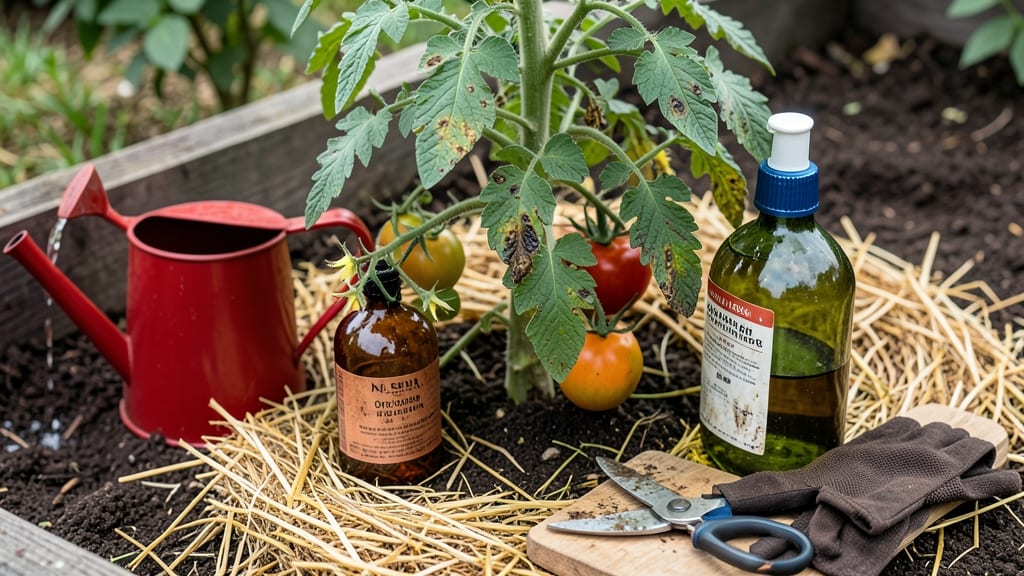
How to treat fungus on tomato plants can turn your harvest into a sad, spotted mess if you ignore it. 🌱 I’ve lost entire plants to late blight before, but now I catch it early with these organic remedies that actually stop the spread—no harsh chemicals needed. The key is prevention: spread plants 18-24 inches apart, water at the base (never overhead), and remove infected leaves immediately. I’ve seen early blight turn brown and crispy within days if you wait too long—so act fast. With copper spray, neem oil, or baking soda mixtures, you’ll see new growth push through within 5-7 days. The plants stay productive, and your tomatoes stay firm, red, and blemish-free. Works for powdery mildew, early blight, and late blight alike. Let’s save your harvest!
Understanding Fungus Roots in Tomatoes
Fungal infections in tomato plants don’t just appear out of nowhere—they thrive because of specific conditions that create the perfect storm for spores to germinate and spread. Let’s break down the real culprits behind fungus on your tomato plants, so you can tackle the problem at its source.
Fungi love dampness—think of them as aquatic invaders that drown plant tissues. Here’s why moisture sets the stage:
- Overnight Watering: Watering late in the day leaves foliage wet overnight, giving fungi like early blight or late blight (caused by Alternaria and Phytophthora pathogens) up to 12+ hours of ideal conditions to infect leaves and stems. - Compacted Soil: Heavy, clay-rich, or poorly draining soil traps moisture at the roots, weakening plants and creating a breeding ground for soil-borne fungi like Fusarium or Verticillium wilt. - Crowded Plants: Poor airflow between stems and leaves keeps humidity high in the plant canopy.
Fungal spores, which spread via wind or splashing water, latch onto damp surfaces and germinate within 24–48 hours.
Actionable Fix: Water early in the day (before 10 AM) and use drip irrigation or soaker hoses to keep leaves dry. Space plants 18–24 inches apart for airflow, and prune lower leaves to improve circulation.
Fungi aren’t just water-lovers—they’re also heat-seekers. Most tomato fungi thrive in temperatures between 60–85°F (15–29°C), with high humidity acting as a catalyst.
- Late Blight Thrives in Heat: The Phytophthora infestans pathogen behind late blight spreads rapidly in warm, wet conditions (70–80°F / 21–27°C).
It’s why fungal outbreaks often spike in summer or during sudden rain after a heatwave. - Early Blight’s Sweet Spot: Alternaria solani (early blight) prefers 75–85°F (24–29°C) and low light, making it common in dense, shaded plantings. - Powdery Mildew’s Edge: While it prefers cooler temps (60–75°F / 15–24°C), powdery mildew still flourishes in humid conditions, forming white, powdery patches on leaves.
Actionable Fix: Choose heat-tolerant tomato varieties (e.g., ‘Heatmaster’ or ‘Solar Fire’) and use shade cloth (30–50%) to reduce leaf stress. Mulch with straw or grass clippings to keep soil temps stable and reduce evaporation.
Healthy tomato plants fend off fungi naturally, but stress opens the door for infections. Common stressors include:
- Nutrient Deficiencies: Low nitrogen or potassium weakens cell walls, making plants susceptible to fungal entry. For example, Fusarium wilt exploits plants deficient in phosphorus or calcium. - Physical Damage: Bruised stems or leaves from hail, wind, or rough handling create entry points for spores.
Even insect bites (like from tomato hornworms) can leave wounds that fungi exploit. - Over-Fertilization: Too much nitrogen promotes lush, soft growth that’s prone to fungal diseases. A high-nitrogen diet also attracts pests, which further stress the plant.
Actionable Fix: Feed plants a balanced fertilizer (e.g., 5-10-10) and avoid overwatering. Use row covers to protect young plants from pests and wind damage, and harvest gently to prevent bruising.
Fungal spores are persistent—they can survive in soil for years and hitchhike on gardening tools, compost, or even seed packets.
- Old Infected Debris: Leaving behind infected plant material (like tomato stems or leaves) in the soil or compost pile ensures spores return next season. - Shared Tools: Pruners, trowels, or trellises contaminated with fungal spores can transfer pathogens to healthy plants.
Even water from a reused bucket can spread Phytophthora if it harbors spores. - Contaminated Seeds or Transplants: Some fungal diseases (like Fusarium) can be seed-borne, while others infect nursery transplants before you even bring them home.
Actionable Fix: Sterilize tools with 1 part bleach to 9 parts water, then rinse and dry. Practice crop rotation (don’t plant tomatoes in the same spot for 3+ years) and compost infected plant matter in a sealed bin for 6+ months to kill spores. Buy seeds from reputable sources and inspect transplants for signs of fungus before purchasing.
Planting tomatoes (or other nightshades like peppers and eggplants) in the same spot year after year depletes soil nutrients and builds up fungal populations.
- Soil Fatigue: Repeatedly growing tomatoes in the same bed exhausts beneficial microbes and leaves behind fungal spores that target the same host.
- Lack of Biodiversity: Monocultures disrupt the natural balance of soil ecosystems, reducing competition for fungi and increasing their spread.
Actionable Fix: Rotate crops annually and interplant tomatoes with marigolds (which repel nematodes) or basil (which improves growth and deters pests). Add compost or organic matter to replenish soil health between seasons.
While all fungi need moisture, waterlogged soil creates a high-risk zone for root-invading fungi like Phytophthora (which causes root rot) or Pythium.
- Root Suffocation: Compacted or poorly draining soil cuts off oxygen to roots, weakening the plant’s immune response and making it vulnerable to fungal attack.
- Spores Spread Easily: Standing water allows fungal spores to splash onto lower leaves and stems, accelerating infections like early blight.
Actionable Fix: Amend heavy soil with compost or perlite to improve drainage. Plant tomatoes on mounds or raised beds to prevent water pooling. Avoid overwatering—stick to 1–1.5 inches of water per week (including rainfall).
Some insects don’t just damage plants—they carry fungal spores or create wounds that fungi exploit.
- Aphids & Whiteflies: These sap-sucking pests weaken plants and excrete honeydew, which fosters sooty mold—a fungal growth that smothers leaves.
- Tomato Hornworms: Their feeding leaves ragged holes that invite fungal infections like Alternaria.
- Nematodes: Microscopic worms in the soil damage roots, making plants more susceptible to Fusarium or Verticillium wilt.
Actionable Fix: Introduce beneficial insects (ladybugs, lacewings) or use neem oil to control pests. Remove affected leaves promptly and rotate crops to break the pest-fungus cycle.
Quick Fixes for Fungal Foes
Fungus on tomato plants doesn’t have to mean the end of your harvest—with the right approach, you can turn things around fast and keep your garden thriving. Below, we’ve mapped out practical, organic solutions tailored to the most common causes of fungal infections.
Whether it’s damp soil, poor airflow, or overcrowded plants, we’ve got you covered. Plus, we’ll share prevention tips to stop future outbreaks before they start.
If you catch fungus early, you can often reverse the damage with minimal effort. Here’s how to tackle the most likely culprits:
🌧️ Too Much Moisture? Dry It Out
Fungus loves damp conditions, so reduce humidity and improve airflow around your plants.
- 🔥 Prune for Better Airflow Trim overgrown leaves or suckers (those little shoots between the stem and branches) to let air circulate. Aim for a 6–12 inch gap between plants.
- Pro Tip: 💡 Remove lower leaves that brush against wet soil—they’re fungus magnets!
- ⏰ Water Wisely
- 🌅 Water in the morning (never at night) so foliage dries quickly.
- 💦 Use a soaker hose or drip irrigation to keep leaves dry.
- 🌱 Avoid overhead watering—it spreads spores like wildfire.
- 🌡️ Boost Soil Drainage Amend heavy or compacted soil with compost or perlite to prevent waterlogging. If your pots don’t have drainage holes, add them now—fungus thrives in soggy roots!
🍅 Overcrowded Plants? Space Them Out
Fungus spreads faster in tight quarters. Give your tomatoes room to breathe.
- 📏 Replant if Needed If your garden is packed, transplant some tomatoes to a new spot with at least 18–24 inches between plants.
- Pro Tip: ✨ Stake or cage your plants early to prevent sprawling and improve airflow.
- 🌿 Mulch the Right Way Use straw or shredded leaves (not wet mulch) to keep soil dry while suppressing weeds. Keep mulch 2–3 inches away from the stem to prevent rot.
🍄 Visible Spots or Mold? Clean and Treat
If you’re seeing yellow leaves, black spots, or fuzzy growth, it’s time for a two-pronged attack: clean up and apply a fungicide.
🧹 Step 1: Remove Infected Parts
- 🔪 Snip off (don’t pull!) yellowed or spotted leaves and destroy them (don’t compost—fungus can survive!).
- 🌱 Dig up and discard severely infected plants to stop the spread.
🍅 Step 2: Apply Organic Fungicides
Use these DIY or store-bought options to kill existing fungus and prevent recurrence:
| Fungus Type | DIY Remedy | Store-Bought Option |
|---|---|---|
| Early Blight | 1 tbsp baking soda + 1 quart water + few drops of dish soap (spray every 7–10 days) | Copper fungicide (e.g., Bonide Copper Fungicide) |
| Late Blight | 1:10 ratio of hydrogen peroxide to water (spray leaves, avoid fruit) | Neem oil + potassium bicarbonate (spray in early morning) |
| Powdery Mildew | 1 tbsp milk + 1 quart water (spray weekly) | Sulfur-based fungicide (e.g., Garden Safe Fungicide) |
| Blossom End Rot | Calcium-rich compost or crushed eggshells (work into soil) | Calcium nitrate (follow package instructions) |
- Pro Tip: 🌡️ Spray in the early morning so the solution has time to dry before evening humidity sets in.
🌱 Soil Issues? Fix the Roots
If fungus keeps coming back, your soil health might be the problem.
- 💪 Boost Beneficial Microbes
- Add compost tea or mycorrhizal fungi to outcompete bad microbes.
- 🍄 Use beneficial bacteria like Bacillus subtilis (found in products like Serenade Garden Disease Control).
- 🌿 Rotate Crops
- Don’t plant tomatoes (or nightshades like peppers/eggplants) in the same spot next year.
- 🌱 Plant garlic or marigolds nearby—they repel fungi and pests naturally!
Once you’ve cleared the current infection, take these steps to keep fungus away for good:
✅ 🌞 Choose Resistant Varieties
- Opt for disease-resistant tomatoes (look for labels like ‘Mountain Merit’ or ‘Defiant PhR’).
✅ 🌿 Improve Garden Hygiene
- 🧹 Clean tools with rubbing alcohol between uses.
- 🍂 Remove plant debris at the end of the season.
✅ 🌡️ Monitor Weather Conditions
- 🌧️ If rain is forecasted, cover plants with row covers to reduce moisture.
✅ 🍅 Feed Smart
- 💪 Avoid over-fertilizing with nitrogen—it makes plants soft and fungus-prone.
- 🥗 Use balanced fertilizer (like 5-5-5) and add compost for natural resistance.
If your plants are beyond saving (e.g., blackened stems, wilted beyond revival), it’s time to pull them and quarantine the area. But don’t lose hope—next season’s tomatoes can still be a success with these lessons learned!
Remember: Fungus is manageable, not inevitable. With better airflow, smart watering, and organic treatments, your tomato plants will bounce back stronger—and you’ll enjoy juicy, disease-free harvests all season long. 🍅✨
Frequently asked questions about treating tomato plant fungus
What’s the fastest way to stop fungal spread on my tomato plants?
Remove infected leaves immediately (don’t compost them!) and apply a baking soda spray (1 tbsp baking soda + 1 quart water + few drops of dish soap) every 7 days. For severe cases, use copper fungicide—it kills spores on contact. Water at soil level in the morning to dry leaves quickly.
Can I still eat tomatoes from plants with fungus?
Only if the fungus is only on leaves (like early blight) and hasn’t reached the fruit. Discard any tomatoes with black spots, soft rot, or mold. For late blight (gray-green spots), remove all infected fruit immediately—it’s toxic when eaten. Always wash tomatoes thoroughly before consuming.
Why does my tomato fungus keep coming back even after treatment?
Fungal spores survive in soil for years—you’re likely dealing with soil-borne pathogens like Fusarium or Verticillium wilt. Fix this by rotating crops (don’t replant tomatoes in the same spot for 3 years), improving drainage, and adding compost tea to boost beneficial microbes.
Is neem oil safe to use on tomato plants with fungus?
Yes! Neem oil prevents fungal spores from germinating and kills existing mildew. Mix 1 tsp neem oil + 1 tsp mild soap + 1 quart water and spray leaves (avoid fruit). Apply in the early morning every 7–10 days for best results. It’s organic, non-toxic, and works for powdery mildew, early blight, and even some root fungi.
How do I know if my tomato plant has fungus or just nutrient deficiency?
Fungal issues show as spots (yellow/brown/black), powdery white coatings, or mushy rot on stems/fruit. Nutrient deficiencies cause uniform discoloration (e.g., yellow between veins = nitrogen deficiency, purple stems = phosphorus deficiency). Check leaves first—fungus targets older leaves first, while deficiencies affect new growth too.