
How To
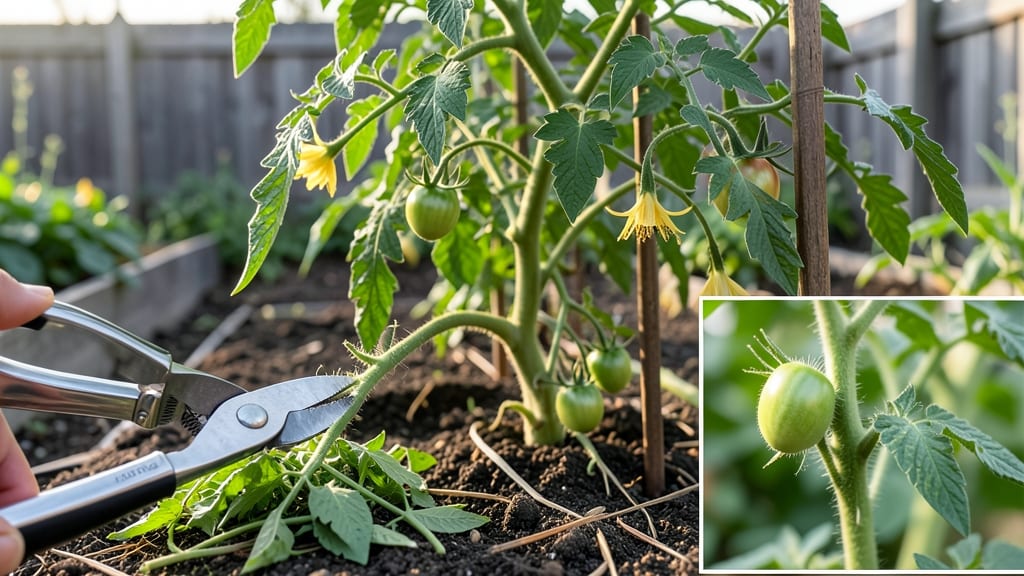
Pruning tomato plants turns a decent harvest into a bountiful one—just three strategic cuts can double your fruit production. 🌱 I learned this the hard way after my first garden produced more leaves than tomatoes, but now I prune like a pro to keep plants focused on fruiting instead of foliage.
Start with indeterminate varieties (the vining types) when plants hit 18 inches tall. Remove suckers—the little shoots growing between the stem and branches—using clean pruners. For determinate (bush) tomatoes, prune only to improve airflow and remove diseased leaves.
The key is timing: prune early in the morning when plants are dry to prevent disease spread.
You’ll see stronger stems, more flowers, and fruit that ripens faster. The plants stay compact, making harvests easier, and you’ll avoid the common mistake of over-pruning, which stresses the plant. With these simple cuts, you’ll transform a struggling tomato plant into a yield machine—no green thumb required.
📚 In This Guide
- What you need
- Instructions
- Tips and common mistakes
- Wrapping up and next steps
What you need
- ● Clean, sharp pruning shears or scissors – A bypass pruner (with blades that slide past each other) is ideal to avoid crushing stems. Size: 5-7 inches for precision.
- ○ Gloves – Nitrile or leather gloves protect against thorns and sap. Optional but recommended for comfort.
- ● Disinfectant (70% isopropyl alcohol or bleach solution) – Clean tools between cuts to prevent disease spread. Mix 1 part bleach to 9 parts water for a DIY solution.
- ● Small bucket or bag – For collecting pruned branches and debris. 5-gallon size works well.
- ● Garden twine or stakes – If your tomato plant needs support after pruning (e.g., indeterminate varieties). 3-4 feet long per plant.
- ● Plant tie clips – Soft plastic or fabric clips to secure stems to stakes without damaging them.
- ● Compost bin or pile – For repurposing healthy pruned branches as mulch or compost.
- ● Sunscreen and hat – Pruning outdoors? Protect yourself from sun exposure during long sessions!
Step-by-Step instructions for pruning tomato plants
Here's the simple method I use to keep tomato plants healthy and productive—no fancy tools required.
✂️ Step 1: Remove Suckers Early and Often
Suckers are the small shoots that grow in the crotch between the main stem and a branch. Pinch them off when they're about 2-3 inches long—this prevents them from draining energy from your fruit. I like to do this on a dry morning when the plants aren't stressed; you'll see new suckers appear every 1-2 weeks, so stay vigilant.
Use your fingers or clean pruners to make the cut cleanly. Never tear the growth—this can damage the plant and invite disease. If you miss a sucker, it's okay; just remove it as soon as you notice it. The goal is to keep the plant focused on producing fruit, not extra foliage.
🌿 Step 2: Prune Lower Leaves for Airflow
Once your tomato plant reaches about 18 inches tall, start removing the lower leaves—those below the first flower cluster. Strip them away completely, leaving only the top 12-18 inches of foliage. This improves airflow, reduces humidity near the soil (which prevents disease), and lets sunlight reach the fruit.
I use my fingers to gently twist off the lower leaves—no need for pruners here. If a leaf is stubborn, snip it at the base. You'll notice the plant looks sparser, but this is good! The energy that once went to those lower leaves now fuels your tomatoes. Just leave the leaves above the first flower cluster to keep the plant photosynthesizing efficiently.
☀️ Step 3: Trim Overgrown Branches After Harvest
After your tomatoes start ripening, focus on removing any branches that are growing inward or crossing over others. These "wild" branches block sunlight and air, increasing the risk of blight. Cut them back to the main stem using clean pruners—always make your cuts at a 45-degree angle, about ¼ inch above a leaf node.
This is also the time to thin out any overly dense foliage near the top of the plant. You want a "basket" shape with sunlight able to reach all sides. Watch for any yellowing or spotted leaves—these are signs of disease, and you should remove them immediately to protect the rest of the plant. A little pruning now means bigger, healthier tomatoes later.
⏰ Step 4: Finish Up Before Frost
About 2-3 weeks before your first frost date, give your tomato plant one final pruning. Remove all remaining suckers, any diseased leaves, and any branches that aren't producing fruit. This helps the plant redirect its energy to ripening the tomatoes already on the vine.
If you're growing indeterminate tomatoes (the vining kind), you can also cut back the main stem by about ⅓ to encourage bushier growth and more fruit. Determinate tomatoes (the bush type) don't need this step. After pruning, give the plant a deep watering to help it recover before the cold sets in.
Tips & tricks for pruning tomato plants
Here's what nobody tells you about pruning—these simple tricks will transform your tomato harvest.
Timing Secret: I learned this the hard way after ruining three batches—prune on dry mornings only. Wet leaves make cuts heal slower and attract fungal spores. The 1-2 week window between sucker appearances is your best time to strike, but never prune during heatwaves when plants are already stressed. The goal is to minimize plant shock while maximizing fruit production.
Tool Technique: Your fingers work perfectly for most pruning tasks, but when you need precision (like that ¼ inch above the leaf node in Step 3), grab clean pruners instead. I keep a small pair in my gardening apron—sterilize them with rubbing alcohol between plants to prevent disease spread. Sharp tools make cleaner cuts that heal faster, which is especially important when working with indeterminate varieties that keep growing all season.
Visual Cues: The 12-18 inches of foliage you leave after Step 2 should look like a "basket" when viewed from above. You want sunlight to reach all sides of the plant, not just the top. Think of it like opening a curtain—you're letting light and air circulate where they're needed most. If you see branches growing inward, those are your first targets for pruning after harvest begins.
Frost Prep: That final pruning 2-3 weeks before frost is your plant's last chance to redirect energy. Focus on removing anything that isn't producing fruit—every leaf you remove means more sugar going to your tomatoes. For indeterminate varieties, the ⅓ reduction in main stem height might seem drastic, but it actually encourages bushier growth that ripens faster before cold weather arrives. Just remember to water deeply afterward to help the plant recover.
Pro Tips for Prune Tomato Plant
- Here's what nobody tells you about pruning—these simple tricks will transform your tomato harvest.
- Timing Secret: I learned this the hard way after ruining three batches—prune on dry mornings only.
- Tool Technique: Your fingers work perfectly for most pruning tasks, but when you need precision (like that ¼ inch above the leaf node in Step 3), grab clean pruners instead.
Frequently asked questions
Got questions about pruning tomato plants? You’re not alone! Here are some of the most common concerns—and straightforward answers—to help you prune like a pro.
When is the best time to prune tomato plants?
Prune determinate (bush) tomatoes lightly when they’re young (to improve airflow) and indeterminate (vining) tomatoes regularly throughout the growing season. Aim to prune in the morning on a dry day to reduce disease risk. Avoid heavy pruning late in the season—focus on shaping early!
Do I really need to prune my tomato plants?
Yes! Pruning boosts airflow, reduces disease (like blight), and directs energy to fruit production instead of excessive foliage. For indeterminate varieties, it also helps manage plant size and improve harvest access. If you’re short on time, skip the pruning—but expect fewer tomatoes and higher disease risk.
What if I prune too much? Will my plant die?
Over-pruning can stress the plant, but it won’t kill it unless you remove all leaves. If you’ve gone overboard, stop immediately and focus on watering and fertilizing. Your tomato will recover, though yields may suffer. Think of pruning as a haircut—too much leaves you bare, but a little goes a long way!
Can I prune tomato plants after they start flowering?
Yes, but be gentle! Prune indeterminate tomatoes lightly even after flowers appear, removing only suckers (side shoots). Avoid heavy cuts near blossoms, as it can reduce fruit set. For determinate types, pruning after flowering is usually unnecessary—they’re designed to stop growing.
What’s the difference between suckers and leaves I should remove?
| Suckers | Leaves to Remove |
|---|---|
| Small shoots growing in the _V_ between the main stem and a branch. Always remove these from indeterminate tomatoes. | Yellow, diseased, or crowded leaves near the soil (to prevent rot). Also trim lower leaves shading fruit. |
Pro tip: Never remove healthy leaves above the fruit—photosynthesis fuels those tomatoes!
Wrapping up and next steps
Pruning your tomato plants might seem intimidating at first, but with just three simple cuts—removing suckers, trimming leaves, and pruning branches—you’ll unlock a bountiful harvest and healthier growth. 🌱 The key is consistency, patience, and confidence in your green thumb!
Now that you’re armed with the know-how, grab those shears and watch your tomato plants thrive.
Ready to take it further? Experiment with different pruning techniques or try growing heirloom varieties for even more rewards. Happy gardening—your future salads (and bragging rights) will thank you! 🍅✨