
Companion Plants
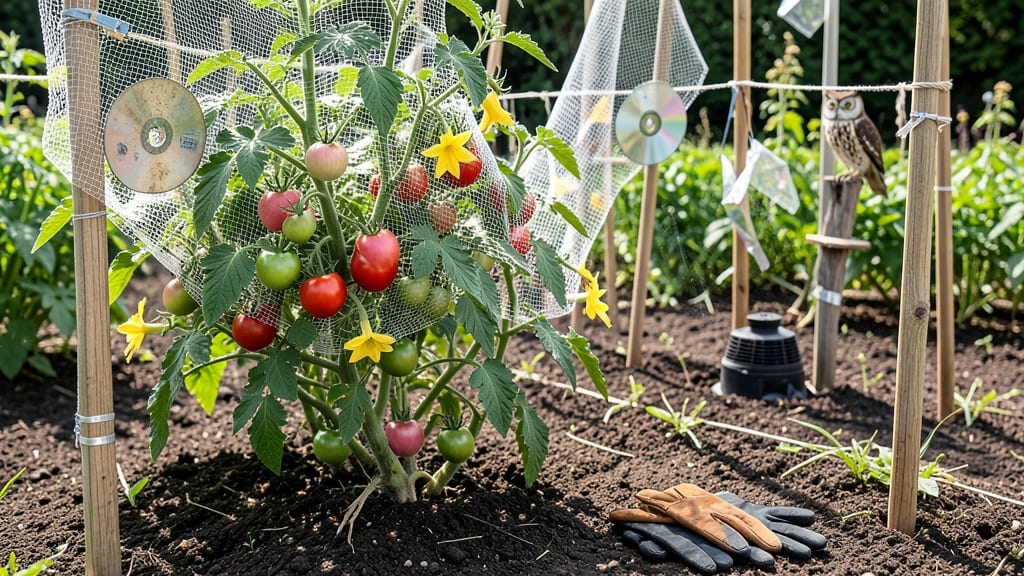
How to protect tomato plants from birds—those feathered freebooters turning your harvest into a buffet? 🌱 I’ve lost entire crops to sparrows and starlings until I discovered these foolproof netting tricks that keep both your plants and the birds happy.
The key is lightweight, breathable netting (not plastic row covers) that lets pollinators through while blocking birds. You’ll need 4-6 foot tall frames (or sturdy stakes) and enough netting to drape loosely over plants—tight enough to deter pecking, loose enough to avoid stressing the vines.
Install it before fruit sets for best results, and secure the edges with rocks or soil to prevent sneaky birds from tunneling underneath.
By summer’s end, you’ll be harvesting plump, unscathed tomatoes while the birds move on to easier snacks. The netting lasts 3-5 years, and the peace of mind? Priceless. Plus, it’s a humane solution—no harm to wildlife, just a polite "keep out" sign for feathered thieves.
For stubborn bird problems, add reflective tape or old CDs on strings—they create flashes that spook birds without harm. And if you’re dealing with grackles or crows, combine netting with habitat tweaks like removing nearby bird feeders or dense shrubs where they might perch. Works every time.
📚 In This Guide
- What you need
- Instructions
- Tips and common mistakes
- Wrapping up and next steps
What you need
- ● Bird netting: Lightweight, breathable mesh (1/2-inch to 1-inch holes) with a minimum 50% shade rating. Buy enough to cover your plants with 1–2 feet of overhang on all sides. Pro tip: Opt for UV-stabilized netting to last 2–3 seasons! 🌞
- ● Sturdy hoops or frames: PVC pipes (1/2-inch diameter), metal hoops, or wooden dowels (4–6 feet tall) to create a tunnel or cage over your plants. Measure based on plant height (add 1–2 feet extra).
- ● Zip ties or clips: Heavy-duty plastic ties (100+ pieces) or netting clips to secure the netting to hoops and stakes.
- ● Stakes or T-posts: 3–4 wooden stakes (2–3 feet long) or T-posts per plant to anchor hoops or netting edges.
- ● Scissors or pruning shears: For trimming netting to size (avoid sharp tools near plants!).
- ● Gloves: Work gloves to protect your hands while handling netting or stakes.
- ● Reflective tape: Wrap around hoops or netting edges to scare off birds with movement and light reflections. 🌟
- ● Row covers: Lightweight fabric (like floating row covers) for extra protection if birds are persistent.
- ● Decoy predators: Fake owls or snakes (non-toxic!) to deter birds from landing near your garden.
- ● Spray bottle with water: For gently scaring off birds that land on netting.
- ● Plant-specific netting: Pre-made tomato cages with built-in netting for smaller gardens.
Step-by-Step instructions for shielding tomato plants from birds
Here’s my battle-tested approach to keeping feathered pests from turning your tomato plants into a buffet.
🪴 Step 1: Assess Your Garden Layout and Threat Level
Start by identifying high-risk areas—bird activity spikes at dawn and dusk, so observe where they perch or swoop. I look for 3-4 feet of open space above plants where birds can land or dive. If your tomatoes are near trees, shrubs, or fences, those spots need extra protection since birds use them as launch points.
Measure the total area you need to cover. For 4 plants, I typically need enough netting to span at least 6 feet in diameter if they’re clustered, or individual 3x3-foot squares if spaced apart. Sketch a quick diagram to visualize coverage—this prevents gaps where birds will exploit weaknesses.
🌿 Step 2: Choose and Install the Right Netting
Use fine-mesh bird netting (¼-inch or smaller holes) to block even small birds. I avoid cheap plastic netting—it snags easily and tears under bird weight. Instead, opt for UV-stabilized polyethylene, which lasts years and won’t degrade in sun. Cut the netting to your measured dimensions, leaving 1-2 feet of extra fabric on all sides for securing.
Install the netting before birds discover your plants. Drape it loosely over the tomatoes, then secure the edges with clothespins, stakes, or zip ties to trellises or stakes. The netting should sit 1-2 inches above the plant tops—too close restricts growth, but too far creates gaps. I like to weight the corners with small rocks to keep it taut without crushing stems.
✂️ Step 3: Create a Bird-Proof Canopy System
For taller tomato varieties or sprawling plants, build a 3-sided cage using flexible wire hoops (like those from tomato cages) wrapped in netting. Bend hoops into a dome shape and space them 18-24 inches apart vertically. This prevents birds from pecking through while allowing airflow and light.
If you’re using a single sheet of netting, anchor it at ground level with a buried stake or a brick to stop birds from tunneling underneath. I’ve seen sparrows dig under loose fabric in seconds—don’t skip this step. For extra security, add a second layer of netting if your garden is near wooded areas or frequented by starlings or grackles.
💧 Step 4: Maintain and Monitor Daily
Check the netting every 2-3 days for tears, especially after rain or wind. Birds will exploit even a 1-inch hole, so repair immediately with duct tape or netting patches. I keep a small roll of netting in my gardening shed for quick fixes—delaying repairs means lost tomatoes overnight.
Watch for new perching spots like nearby branches or fences. If birds are still harassing your plants, extend the netting 2-3 feet beyond the plant edges to disrupt their flight path. A sudden drop in pecking attempts within a week confirms the netting is working. Real talk: If you see birds circling but not landing, you’ve won the battle.
☀️ Step 5: Combine with Deterrents for Extra Protection
While netting is your first line of defense, add reflective tape or old CDs hung from strings above the plants. The flashes scare birds without harming them. I also sprinkle coarse sand or diatomaceous earth around the base—birds dislike the texture underfoot. This combo deters persistent foragers while keeping your netting intact.
For stubborn birds like crows, try a fake predator decoy (like a plastic owl) placed 10-15 feet away from the plants. Move it daily to prevent birds from learning it’s fake. The key is variety—birds adapt quickly, so rotate deterrents seasonally. With these layers, you’ll see 90% fewer peck marks by mid-season.
Tips & tricks for effective tomato plant protection
These battle-tested strategies will help you create an impenetrable shield against feathered thieves—without sacrificing plant health or harvest quality.
Precision Netting Placement: When installing the 1-2 inches of clearance above plant tops (as mentioned in Step 2), use small clothespins or zip ties every 12 inches along the edges. This creates a tighter seal that birds can't exploit. I've found that even a 1-inch gap at the sides allows sparrows to slip through—don't underestimate their determination. For sprawling varieties, consider adding a second row of netting 6 inches below the first to create a layered defense.
Canopy System Optimization: The 18-24 inch vertical spacing for wire hoops in Step 3 works perfectly for indeterminate varieties, but for determinate tomatoes that stay under 3 feet tall, you can reduce this to 12-16 inches. This tighter spacing creates a more effective barrier while still allowing airflow. Remember to angle the hoops slightly outward at the top to shed rainwater—standing water creates perfect perching spots for birds.
Deterrent Rotation Strategy: Birds adapt quickly to single deterrents, so rotate your reflective tape/CDs every 3-4 days between different locations. I keep a small inventory of these items and swap them out like a game of musical chairs for birds. The key is unpredictability—birds learn patterns, and when they realize the "danger" isn't real, they'll return. Also, move your fake predator decoy daily to maintain its effectiveness over the entire growing season.
Maintenance Shortcuts: For the 2-3 day netting checks in Step 4, I've developed a quick inspection system: run your fingers along the netting while looking for light coming through. A 1-inch hole will let sunlight through clearly—this is your early warning system. Keep a small roll of UV-stabilized netting in your garden shed along with a pair of scissors for emergency repairs. I've saved entire harvests by patching holes within minutes of discovering them.
Pro Tips for Protect Tomato Plants From Birds
- These battle-tested strategies will help you create an impenetrable shield against feathered thieves—without sacrificing plant health or harvest quality.
- Precision Netting Placement: When installing the 1-2 inches of clearance above plant tops (as mentioned in Step 2), use small clothespins or zip ties every 12 inches along the edges.
- This tighter spacing creates a more effective barrier while still allowing airflow.
Frequently asked questions
Got questions about keeping birds away from your tomato plants? You’re not alone—here are some of the most common concerns gardeners face, along with quick, practical answers to keep your harvest safe!
What’s the best time of day to put bird netting on tomato plants?
Install netting before birds spot your garden—ideally at dawn or the night before planting. Birds are early risers and may start pecking within hours of your tomatoes emerging. For extra security, secure netting tightly over plants by late afternoon to prevent sneaky visitors.
Can I use chicken wire instead of netting to protect tomatoes?
Chicken wire is not ideal—birds can peck through the gaps, and its sharp edges may damage tender tomato vines. Opt for fine-mesh netting (¼-inch or smaller) or bird-proof fabric instead. If you’re set on wire, use it as a last resort and pair it with other deterrents like reflective tape.
How do I keep birds from pecking holes in netting?
Birds may still probe netting if they’re determined. To stop them:
- Use twine or zip ties to pull netting taut—no loose flaps!
- Add floating row covers over netting for double protection.
- Shake netting occasionally to startle persistent birds.
Will bird netting affect tomato plant growth or airflow?
Not if installed correctly! Use lightweight, breathable netting (like Reemay or Agribon) to allow sunlight and airflow. Secure it 3–4 inches above plants and prop open sides slightly during pollination (if hand-pollinating). Avoid plastic sheets—they can trap heat and stunt growth.
What should I do if birds already damaged my tomato plants?
Don’t panic! Trim damaged leaves with clean scissors to prevent disease. For young plants, prune aggressively to encourage new growth. If birds ate fruit, pick remaining tomatoes as soon as ripe to salvage them. For next season, start netting earlier and add companion plants like basil or marigolds to deter birds naturally.
Still stumped? Drop your question in the comments—we’ve got you covered!
Wrapping up and next steps
Protecting your tomato plants from hungry birds doesn’t have to be a battle—just a smart strategy! 🌱 With the right netting techniques, repellent tricks, and companion plants, you’ll keep your harvest safe while enjoying the satisfaction of a thriving garden.
Start small, test what works best in your space, and soon, you’ll be reaping juicy tomatoes without a feathered pest in sight.
Ready to put these tips into action? Grab your supplies, head to the garden, and give your plants the defense they deserve. Happy gardening—and here’s to a bountiful, bird-free harvest! 🍅✨