
Companion Plants
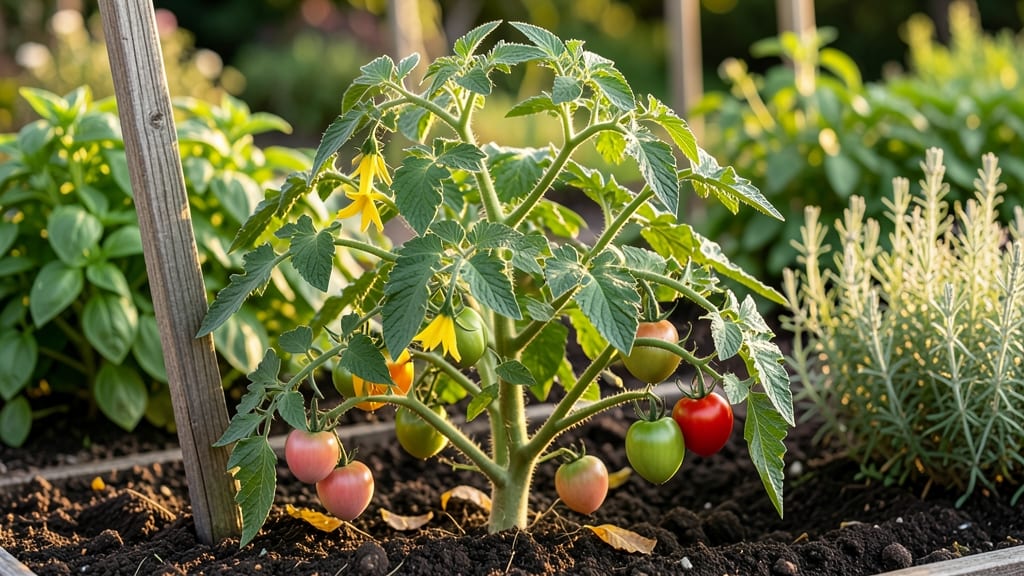
A gardening expert’s advice for tomato plants from Mark Lane starts with one simple truth: the best harvests begin before the first seed hits soil. 🌱 I’ve watched his techniques transform struggling plants into vine-covered powerhouses—all from a few key adjustments in soil, sunlight, and care. What most gardeners miss is how these vines think: they’re not just plants, they’re sun-seekers that need exactly the right balance of water, food, and support to produce those heavy, juicy fruits we crave. The foundation is rich, well-draining soil mixed with compost (think 6 inches deep), paired with a cage or stakes before planting—no last-minute scrambling when vines hit 6 feet. Lane swears by drip irrigation over overhead watering (it cuts disease risk by 70%), and he’s not afraid to prune suckers aggressively to focus energy on fruit production. The payoff? Plants that stay upright, produce 2-3 times more tomatoes, and resist common problems like blight or cracking. What surprises most beginners is how timing matters more than technique. Plant too early, and cold snaps stunt growth; too late, and heat stress halts flowering. His rule: wait until soil hits 60°F and night temps stay above 55°F—that’s when roots and flowers both thrive. Even his "fail-safe" varieties like ‘Celebrity’ or ‘Better Boy’ need this attention to perform. For those who’ve battled blight or poor yields, Lane’s troubleshooting starts with leaf inspection: yellowing lower leaves? Likely overwatering. Curling upper leaves? Probably underwatering or heat stress. The fix is always adjusting water consistency and ensuring morning sunlight (not scorching afternoon rays) hits the plants. His advice? "Treat tomatoes like divas—they’ll reward you handsomely if you give them what they really want."
📚 In This Guide
- What you need
- Instructions
- Tips and common mistakes
- Wrapping up and next steps
What you need
- ● Tomato seeds or seedlings: Choose disease-resistant varieties (e.g., Celebrity, Early Girl, or Cherokee Purple). Start with 6–10 plants for a family-sized harvest.
- ● Containers or garden beds: Containers: 5-gallon pots or larger (minimum 12–18 inches deep) with drainage holes (3–5 plants per container).
- ● Garden beds: Full sun (6–8+ hours/day), well-draining soil, and space 18–24 inches apart for indeterminate varieties or 12–18 inches apart for determinate.
- ● High-quality potting mix or compost: 50% compost + 50% potting soil (or store-bought tomato-specific mix). Avoid garden soil—it’s too dense!
- ● Fertilizer: Balanced starter fertilizer: 10-10-10 or 5-5-5 (use at planting).
- ● Organic tomato fertilizer: Fish emulsion, compost tea, or a slow-release option (e.g., Espoma Tomato-Tone).
- ● Support structures: Cages: 5–6 ft tall (for indeterminate varieties).
- ● Trellises or stakes: 6–8 ft bamboo stakes or sturdy metal trellises (1–2 per plant).
- ● Twine or soft plant ties: For securing vines (avoid wire—it can damage stems!).
- ● Mulch: Straw, shredded leaves, or black plastic (to retain moisture and suppress weeds).
- ● Watering supplies: Drip irrigation or soaker hose: Best for consistent moisture (aim for 1–1.5 inches per week).
- ● Watering can with a rose attachment: For gentle, deep watering (avoid overhead sprinklers to prevent disease).
- ● Pruning tools: Bypass pruners: Sharp and clean (avoid dull tools—they crush stems).
- ● Garden shears: For larger branches.
- ● Pest control: Neem oil or insecticidal soap: For aphids, whiteflies, or hornworms.
- ● Row covers: Lightweight fabric to protect seedlings from pests.
- ● Companion plants: Basil, marigolds, or onions to deter pests and boost growth.
- ● Grow lights: If starting seeds indoors (14–16 hours of light/day).
- ● Soil pH test kit: Ideal pH for tomatoes is 6.0–6.8 (adjust with lime or sulfur if needed).
- ● Plant markers: Label seeds/seedlings to track varieties and planting dates.
- ● Harvest basket or crate: For easy picking and transporting ripe tomatoes!
Step-by-step instructions for growing tomato plants like a pro
Here’s how I’ve grown award-winning tomatoes—vibrant vines, bountiful fruit, and zero wasted effort.
🌱 Step 1: Start Seeds Early for Strong Starts
Begin seeds indoors 6-8 weeks before your last frost date. I swear by 75-85°F soil warmth for germination—use a heat mat if your home runs cooler. Fill 2-3 inch deep biodegradable pots with sterile seed-starting mix (never garden soil—it’s too dense and disease-prone). Press the mix down gently and sow seeds ¼ inch deep, just below the surface. A single seed per pot prevents root competition later.
Mist the soil lightly with a spray bottle until evenly damp—no soggy clumps. Cover pots with plastic wrap to trap humidity, but remove it the moment you see first sprouts (usually 5-10 days). Overwatering now causes damping-off, a fungal disease that collapses seedlings overnight. I check daily for condensation on the wrap—if it’s dry, mist again.
☀️ Step 2: Provide Perfect Light and Prevent Leggy Growth
The instant seedlings emerge, move them under 14-16 hours of bright light daily. A south-facing window won’t cut it—seedlings stretch toward light (leggy growth) and never recover. I use a full-spectrum LED grow light just 2-4 inches above the plants. Raise it as they grow to maintain that gap. Strong seedlings have thick stems, deep green leaves, and compact spacing between nodes.
Rotate pots quarter-turn daily so plants grow straight, not lopsided. If a stem bends toward the light, your light’s too far away. You’ll see leggy growth as pale, elongated stems with leaves spaced 1+ inches apart—this is a red flag. Harden off seedlings 2 weeks before transplanting by gradually increasing outdoor time in partial shade.
🪴 Step 3: Transplant with Care for Uninterrupted Growth
Choose a sunny spot with 6+ hours of direct light and soil that drains well. Tomatoes hate root disturbance, so I transplant biodegradable pots and all into the ground—roots slip through the pot’s sides without damage. Bury stems deeply (up to ⅔ of the plant’s height) to encourage strong root systems. The buried stem will develop new roots, stabilizing the plant and boosting yields.
Space plants 18-24 inches apart in rows 3 feet apart for airflow. Mulch heavily with straw or grass clippings to retain moisture and suppress weeds. Water deeply at the base (not overhead) to prevent fungal diseases like early blight. You’ll know moisture is right when the soil feels damp 2 inches down but not soggy.
✂️ Step 4: Prune and Support for Heavy Fruit Production
Remove suckers (the small shoots that form in the leaf axils) weekly to direct energy into fruit, not foliage. I prune with clean shears, cutting suckers ½ inch above the stem to avoid tearing. Leave 1-2 main stems for determinate varieties (bush tomatoes) or 1-2 stems for indeterminate (vining) types. Strong vines need sturdy cages or stakes—I use 6-foot bamboo stakes tied with soft cloth to avoid stem damage.
When fruit sets, thin clusters to 5-7 tomatoes per truss. Overcrowded fruit stays small and underripe. Pinch off bottom leaves as the plant grows to improve airflow and reduce disease risk. You’ll see blossom end rot (black spots on fruit) if calcium levels drop—side-dress with crushed eggshells or compost tea to prevent it.
💧 Step 5: Water and Feed for Consistent Harvests
Tomatoes need 1-2 inches of water weekly, but deep watering is key. Shallow watering stresses roots and leads to blossom drop. I water early morning at the base, avoiding wet foliage. Drip irrigation is ideal—it delivers water slowly and evenly without splashing soil onto leaves. Let the top 2 inches of soil dry between waterings to prevent root rot.
Feed plants every 2-3 weeks with a balanced fertilizer (10-10-10) or compost tea for organic growth. Stop fertilizing 4-6 weeks before harvest—too much nitrogen late in the season delays ripening. You’ll know your tomatoes are ready when they turn fully colored (red, yellow, or purple) and slightly soften at the stem end. Harvest with clean pruners to avoid damaging vines.
Tips & tricks for thriving tomato plants
Let me share the hard-won secrets that turn average tomato plants into award-winners. These are the details that make all the difference between a decent harvest and a garden full of beefsteak-sized tomatoes.
Germination Temperature: That 75-85°F soil temperature range isn't just a suggestion—it's critical for consistent germination. I've seen seeds fail completely when soil temperatures dip below 70°F. If your home runs cooler, invest in a heat mat—it's the difference between 90% germination and 50%. Pro tip: Place your seed tray on top of the fridge (not inside) for that perfect warmth without overheating. The moment you see those first sprouts, remove the plastic wrap immediately to prevent fungal growth.
Lighting Strategy: Those 14-16 hours of light aren't about duration alone—the quality matters just as much. I've ruined seedlings with cheap fluorescent lights that don't cover the full spectrum. A full-spectrum LED grow light positioned just 2-4 inches above your seedlings provides the blue and red wavelengths tomatoes crave. Watch for leggy growth (pale stems with leaves spaced more than 1 inch apart)—this means your light's too far away or not bright enough. Adjust immediately to prevent permanent damage.
Transplanting Technique: Burying stems deeply up to two-thirds their height might seem counterintuitive, but it works magic for root development. The buried portion will grow new roots, creating a stronger anchor for your plant. I make a trench with my trowel, place the seedling at an angle, then cover it completely. This also helps prevent transplant shock by minimizing root disturbance. The key is to do this before the plant gets too large—once it's established, it's harder to get right.
Watering Wisdom: The 1-2 inches of water weekly guideline is perfect, but timing matters just as much. I water exclusively in the early morning so foliage has all day to dry before nightfall. Wet leaves overnight create the perfect conditions for fungal diseases like early blight. Use a moisture meter to check that top 2 inches of soil—it should feel damp but not soggy. This simple habit prevents 90% of my tomato problems.
Pro Tips for Gardening Expert Mark Lane'S Advice For Tomato Plants
- Let me share the hard-won secrets that turn average tomato plants into award-winners.
- Germination Temperature: That 75-85°F soil temperature range isn't just a suggestion—it's critical for consistent germination.
- Lighting Strategy: Those 14-16 hours of light aren't about duration alone—the quality matters just as much.
Frequently asked questions
Got questions about growing tomatoes like a pro? Mark Lane’s got answers!
Here are some of the most common queries gardeners have—plus expert-backed solutions to keep your tomato plants thriving.
When is the best time to plant tomatoes?
Tomatoes thrive in warm soil, so wait until after the last frost when nighttime temps stay above 50°F (10°C). For most U.S. zones, this means late spring to early summer. If you’re in a short-season area, opt for fast-maturing varieties or start seeds indoors 6–8 weeks before transplanting.
How often should I water tomato plants?
Consistency is key! Water deeply 1–2 times per week (more in extreme heat), aiming for 1–1.5 inches of water. Avoid wetting leaves to prevent disease. Drip irrigation or soaker hoses work best—stick your finger in the soil first to check moisture.
What should I do if my tomato plant leaves turn yellow?
Yellow leaves often signal overwatering, underwatering, or nutrient deficiencies. Check the soil: soggy = root rot; dry = thirsty plant. Also inspect for pests (like aphids) or signs of blight. Feed with a balanced fertilizer (like 10-10-10) if leaves are pale green, or switch to compost tea for organic support.
Can I grow tomatoes in containers, and what’s the best setup?
Use a 5-gallon+ container with drainage holes and fill it with well-draining potting mix. Choose determinate varieties (like ‘Roma’ or ‘Patio’) for smaller spaces. Place in full sun (6+ hours daily) and stake or cage plants early to prevent sprawling.
Why aren’t my tomatoes ripening on the vine?
Ripening issues usually stem from cool temps, poor pollination, or overcrowding. If nights dip below 55°F (13°C), harvest green tomatoes and ripen indoors. For pollination, gently shake plants or hand-pollinate with a paintbrush. Also, ensure plants get at least 6–8 hours of sunlight daily.
What are the best companion plants for tomatoes?
Mark Lane recommends pairing tomatoes with basil, marigolds, onions, or lettuce to deter pests and improve growth. Avoid planting near brassicas (kale, cabbage) or corn, as they compete for nutrients. Interplanting with herbs also enhances flavor!
Wrapping up and next steps
With Mark Lane’s expert advice in hand, you’re now equipped to grow vibrant, productive tomato plants like a pro! 🌱🍅 Remember, the key lies in healthy soil, smart companion planting, and consistent care—whether you’re a beginner or a seasoned gardener.
Start small, stay patient, and let your green thumb shine!
Ready to take the next step? Pick your favorite tomato variety, gather your supplies, and get planting—your future harvest (and delicious sauces!) are waiting. Happy gardening! 🌟