
Companion Plants
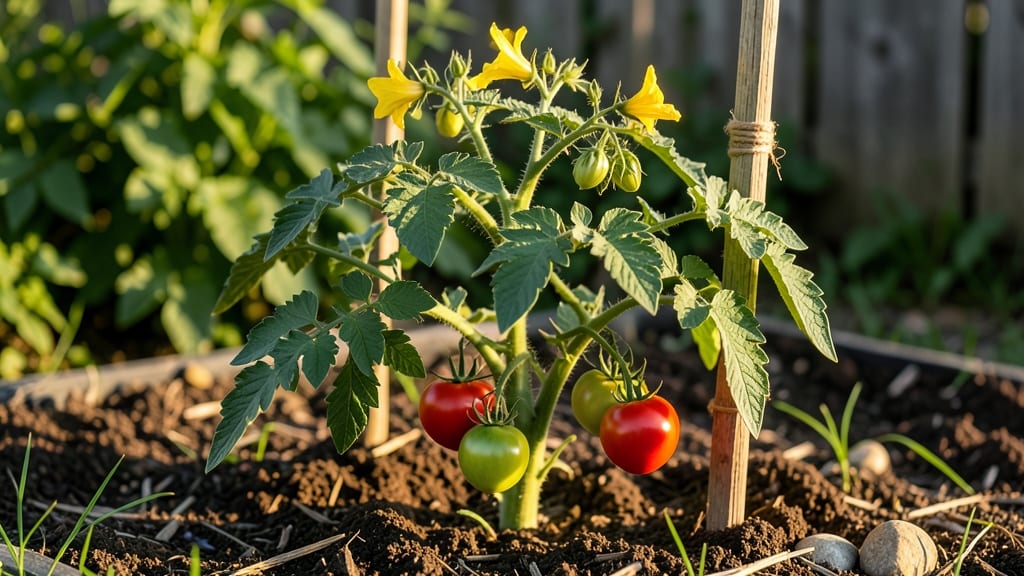
Growing Druzba tomato plants means harvesting 6-foot-tall vines loaded with disease-resistant fruit until frost. 🌱 I’ve grown them for three summers now, and they’ve outproduced every other variety—even in humid climates where blight usually wipes out tomatoes by August.
The key isn’t just their resistance; it’s how they keep flowering and fruiting long after most plants give up.
These indeterminate giants need full sun (6+ hours daily), rich soil with compost, and sturdy cages or stakes to support their weight. Water consistently—deep soak 1-2 times weekly—but avoid wetting leaves to prevent fungal issues.
The first flush of fruit arrives in 70-80 days, and if you prune suckers regularly, you’ll get tomatoes until the first hard frost.
What sets Druzba apart is their thick, crack-resistant skins and ability to handle heat and humidity better than most varieties. You’ll end up with heavy yields of 10-15 pounds per plant—enough to can, share, or freeze for winter.
The flavor? Sweet with just a hint of tang, perfect for slicing or sauces.
For beginners, the biggest mistake is underestimating their size—plant them 24-36 inches apart and give them room to sprawl. If your season is short, start seeds indoors 6-8 weeks before last frost for a jumpstart.
With the right care, these plants will reward you with tomatoes until the very end of summer.
📚 In This Guide
- What you need
- Instructions
- Tips and common mistakes
- Wrapping up and next steps
What you need
- ● Druzba tomato seeds or seedlings: 2–4 plants (spaced 18–24 inches apart).
- ● Well-draining potting mix: 10–15 lbs (for containers) or enrich garden soil with compost (5–10 lbs per plant).
- ○ Containers (optional but helpful): 5-gallon pots or fabric grow bags (if not planting directly in the ground).
- ● Tomato cages or stakes: 6–8 ft tall (indeterminate varieties need support!).
- ● Balanced fertilizer (10-10-10 or 5-5-5): 1 lb (for soil amendment) or liquid feed (per label instructions).
- ● Mulch (straw or black plastic): 2–3 inches thick to retain moisture and suppress weeds.
- ● Pruning shears: Sharp, clean pair for trimming suckers and dead leaves.
- ● Watering can or drip irrigation: Consistent moisture is key—aim for 1–2 inches per week.
- ● Companion plants: Basil, marigolds, or onions (plant nearby to deter pests naturally!).
- ● Copper tape or fungicide: For extra disease prevention (especially in humid climates).
- ● Grow lights (if starting indoors): 12–16 hours of light daily until transplanting.
- ● pH test kit: Ideal soil pH for tomatoes: 6.0–6.8.
- ● Epsom salt (magnesium sulfate): 1 tbsp per gallon of water (monthly foliar spray for greener leaves).
Step-by-step guide to growing Druzba tomato plants
Here's how to cultivate these robust indeterminate varieties into thriving, disease-resistant vines.
🌱 Step 1: Select the Right Location and Prepare Soil
Druzba tomatoes thrive in full sun—choose a spot receiving at least 8 hours of direct sunlight daily. These indeterminate giants need sturdy support, so install a 6-8 foot tall tomato cage or trellis system before planting. The soil should be well-draining, rich in organic matter, and amended with compost or aged manure to a depth of 12 inches.
Test your soil's pH—Druzba performs best in slightly acidic to neutral conditions (pH 6.0-7.0). If your soil is heavy clay, mix in 1-2 inches of coarse sand to improve drainage. Work the amendments into the top 12 inches of soil, breaking up any compacted layers. These plants are heavy feeders, so a balanced 10-10-10 fertilizer worked into the soil at planting time provides an excellent foundation.
🌿 Step 2: Plant Transplants at the Right Time and Depth
Wait until nighttime temperatures remain consistently above 55°F before transplanting Druzba seedlings. These indeterminate varieties are sensitive to cold, so don't rush the process. Plant each seedling 18-24 inches apart in rows spaced 3-4 feet apart to allow for proper air circulation—a critical factor in preventing the diseases this variety resists so effectively.
Dig a hole slightly wider than the root ball but no deeper than the container's base. Gently remove the seedling and place it in the hole, ensuring the top of the root ball sits just below soil level. The first true leaves should be above ground, not buried. Firm the soil around the roots and water immediately to eliminate air pockets. Mulch with 2-3 inches of straw or shredded leaves to retain moisture and suppress weeds.
☀️ Step 3: Provide Consistent Care Through the Growing Season
Water Druzba plants at the base 1-2 inches per week, allowing the top 1-2 inches of soil to dry slightly between waterings. These indeterminate varieties develop deep root systems, so deep, infrequent watering encourages stronger growth than frequent shallow waterings. Use drip irrigation or soaker hoses to deliver water directly to the soil and avoid wetting the foliage, which reduces disease risk.
Fertilize every 3-4 weeks with a balanced liquid fertilizer (like 5-5-5) or switch to a low-nitrogen, high-phosphorus formula (like 3-12-6) when flowers appear. Prune suckers—those small shoots that form in the leaf axils—regularly to direct energy toward fruit production. Remove any yellow or diseased leaves immediately to maintain plant health.
✂️ Step 4: Support and Harvest for Maximum Yield
As Druzba vines grow, gently weave them through the trellis or tie them to stakes with soft plant ties every 10-14 days. These indeterminate varieties can reach 8-10 feet tall, so proper support prevents stem breakage. Remove any suckers that form below the first flower cluster, as these compete with fruit production. Pinch off the terminal bud after the first flower cluster sets fruit to encourage bushier growth and more productive branches.
Harvest Druzba tomatoes when they reach full color and are slightly soft to the touch. These indeterminate varieties produce fruit continuously throughout the season, so check plants every 2-3 days during peak production. Pick overripe tomatoes immediately—they attract pests and diseases. Store harvested tomatoes at 55-65°F to maintain quality. With proper care, a single Druzba plant can produce 20-30 pounds of fruit per season.
Tips & tricks for thriving Druzba tomato plants
These indeterminate giants demand attention to detail—but the payoff is worth every effort. Here's how to maximize your harvest while avoiding common pitfalls.
Sunlight Strategy: While 8 hours of sunlight is the minimum, I've found these plants reward an extra hour or two when possible. Position them to capture morning sun (which is less intense) and afternoon light (when temperatures peak). If your garden has afternoon shade, consider a reflective surface like white gravel or a light-colored wall to bounce extra light onto the vines. This helps maintain the vigorous growth that makes Druzba such a prolific producer.
Soil Preparation Insight: The 12-inch depth for soil amendments might seem excessive, but trust me—these indeterminate varieties send roots deep to support their towering growth. If you're working with compacted soil, consider using a broadfork to loosen the top 12 inches before adding compost. This creates ideal conditions for root penetration, which translates directly to plant resilience and yield. For urban gardeners with limited space, raised beds are perfect—they let you control soil quality completely while providing excellent drainage.
Transplanting Timing: The 55°F nighttime temperature guideline is critical, but don't wait until the last possible moment. These plants establish roots slowly at first, and cooler soil temperatures can delay their growth. I've found that transplanting when daytime temps reach 65°F gives seedlings a better head start. If you're in a cooler climate, consider using black plastic mulch around the base to warm the soil—it can make the difference between struggling plants and vigorous vines.
Watering Technique: The 1-2 inches per week guideline works well, but timing matters just as much as quantity. Water deeply in the morning to give roots time to absorb moisture before the heat of the day. I've seen many gardeners make the mistake of watering in the evening, which can lead to fungal issues. For container-grown Druzba plants, check soil moisture daily—they dry out faster than in-ground plants. A moisture meter is worth its weight in gold for container gardeners!
Pro Tips for Druzba Tomato Plants
- These indeterminate giants demand attention to detail—but the payoff is worth every effort.
- Sunlight Strategy: While 8 hours of sunlight is the minimum, I've found these plants reward an extra hour or two when possible.
- Soil Preparation Insight: The 12-inch depth for soil amendments might seem excessive, but trust me—these indeterminate varieties send roots deep to support their towering growth.
Frequently asked questions
How tall can Druzba tomato plants really get?
Druzba is an indeterminate variety, meaning it can grow indefinitely with proper support—often reaching 6 to 10 feet tall (or even taller in ideal conditions). Prune regularly to manage height, remove suckers, and use sturdy cages or trellises to prevent sprawling. Pro tip: Train vines upward early to avoid overcrowding and improve airflow (which cuts down on disease risks!).
When is the best time to plant Druzba tomatoes?
Start seeds 6–8 weeks before your last frost date indoors (they thrive in warmth!). Transplant seedlings outdoors after soil temps hit 55°F+ and nighttime temps stay above 50°F. For most U.S. zones, this means late April to early June. Druzba loves heat but hates cold snaps—so wait until all danger of frost has passed!
Why are my Druzba leaves turning yellow or spotted?
Despite their disease-resistant genes, Druzba can still face issues like early blight, septoria leaf spot, or nutrient deficiencies. Yellowing leaves often signal overwatering or nitrogen excess, while brown spots usually mean fungal disease or poor airflow. Fix it: Prune diseased foliage, space plants 18–24" apart, and apply copper fungicide preventatively. Avoid wetting leaves when watering!
How do I maximize fruit production on Druzba plants?
These tomatoes are prolific, but they need consistent care to deliver! Key tips:
- Fertilize every 2–3 weeks with a balanced tomato fertilizer (high in phosphorus for flowers).
- Water deeply at the base (1–2 inches per week) but avoid wetting leaves.
- Prune suckers (shoots in leaf axils) to direct energy to fruit.
- Harvest regularly—ripe Druzba tomatoes won’t reabsorb nutrients!
Can I grow Druzba in containers, or do they need a garden bed?
Yes! Druzba adapts well to large containers (5+ gallons) if you provide support and consistent care. Use a well-draining potting mix and place pots in full sun (6+ hours/day). Watch for: overheating roots (use mulch) and limited nutrients (fertilize more frequently). Containers work best in USDA Zones 5–10 with seasonal adjustments.
Wrapping up and next steps
Growing Druzba tomato plants is like unlocking a secret weapon for your garden—disease-resistant, high-yielding, and packed with flavor! 🌱 These indeterminate giants thrive with the right care, from sturdy support to strategic companion planting.
Whether you're a seasoned gardener or a curious beginner, the key is patience, observation, and a little love.
Ready to harvest your reward? Start by planting a few Druzba seeds or seedlings this season and watch your garden transform. Next up: Share your progress or swap tips with fellow gardeners—your green thumb might inspire someone else! 🌟