
Companion Plants
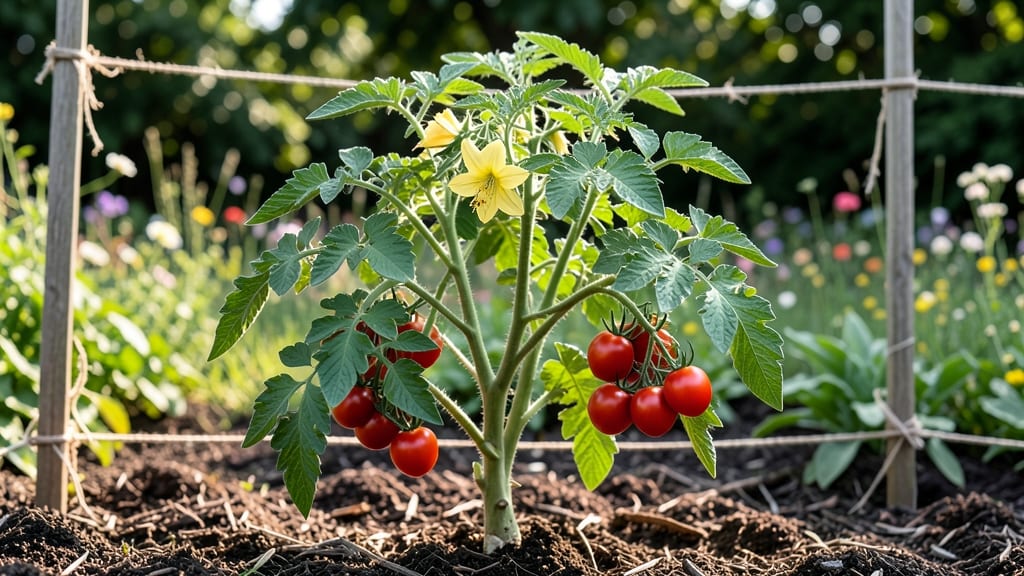
Tomato plants need a lot of sunlight to thrive, with 6 to 8 hours daily being the golden rule for juicy, productive vines 🍅.
If your tomato plants are underperforming—small fruits, weak vines, or even no tomatoes at all—sunlight might be the hidden culprit. But how much sun do they really need, and what happens when they get too little (or too much)?
Most gardeners assume more sun is always better, but tomatoes can actually suffer from too much direct heat, especially in hot climates. The key is finding that sweet spot where they get enough light to fruit but stay cool enough to avoid stress.
In this guide, I’ll break down the ideal sunlight hours, how to spot signs of sun trouble, and smart ways to adjust shade—whether you’re dealing with a shady balcony or a scorching summer afternoon.

How many hours of sunlight do tomato plants need daily?
Tomatoes are sun-worshippers, and their sunlight needs are non-negotiable for sweet, abundant harvests. While most varieties thrive in full sun (6-8+ hours daily), the exact amount depends on your tomato type and local climate.
Determinate varieties (like Roma or Celebrity) can tolerate slightly less light, while indeterminate types (such as Sungold or Beefsteak) demand maximum exposure to produce their signature sprawling vines and heavy fruit loads.
Sunlight isn’t just about quantity—it’s also about quality. Direct rays during peak hours (10 AM–4 PM) drive photosynthesis, fueling growth and fruit development. Without enough light, plants stretch toward the sun (etiolation), producing weak stems and poor-quality fruit.
But too much intense sun—especially in hot climates—can scorch leaves, stressing the plant and reducing yields. Balancing exposure is key to happy, productive tomatoes.
🌱 Did You Know? Tomatoes need sunlight for photosynthesis, but they also rely on it to set fruit. Without adequate light, flowers may drop off, or tomatoes may stay small and green. Even partial shade can reduce yields by up to 50% in some varieties.
Measuring sunlight exposure accurately is easier than you think. Use a sunlight tracker (a simple app or even a notebook) to log how many hours your garden gets direct sun. Place a white board or chalkboard in the planting spot and mark shadows every hour.
If your garden gets less than 6 hours, consider reflective surfaces (like white walls or mulch) to bounce extra light onto plants. For containers, rotate them daily to ensure even exposure.
In hot climates, afternoon shade (using shade cloth with 30-50% coverage) can prevent sunburn while still meeting sunlight needs. Look for light-colored leaves or crispy edges as signs of too much sun.
Conversely, pale, leggy stems or few flowers signal insufficient light. Adjust pruning or plant placement to optimize exposure—even moving plants a few feet can make a difference.
If you’re growing tomatoes in containers or urban spaces, prioritize south-facing windows or balconies. A reflective surface (like a mirror or white tray) behind the pot can double sunlight exposure.
For greenhouse growers, ensure vents allow airflow to prevent heat stress, even with ample light. Remember: tomatoes need sunlight for energy, but they also need breathable air to thrive.
Pro tip: Start seedlings indoors under grow lights (12-16 hours daily) to give them a head start. Once transplanted, gradually acclimate them to outdoor sunlight over 7-10 days to avoid sunburn shock. This hardening-off period helps plants adjust to stronger rays without damage.
For partial-shade gardens, choose determinate varieties or cherry tomatoes, which are slightly more tolerant. Pair them with tall companion plants (like sunflowers) to provide afternoon shade naturally. Just avoid deep shade—tomatoes won’t fruit well in spots with less than 4-5 hours of sun.
When in doubt, observe your plants: happy tomatoes have dark green, glossy leaves and steady flower production.
🌞
Signs your tomato plants aren’t getting enough (or too much) sunlight
Tomato plants thrive in full sun, but they can suffer when they get too little or too much sunlight. Leggy stems and pale leaves signal insufficient light, while crispy edges and yellowing often mean sunburn. Recognizing these signs early helps you adjust care before your harvest suffers.
When tomato plants lack sunlight, they stretch toward light in a condition called etiolation. This results in weak stems that can’t support heavy fruit, leading to broken branches. Meanwhile, excessive sun causes leaves to bleach or crisp, reducing the plant’s ability to photosynthesize efficiently.
Here’s how to spot the difference and fix common sunlight issues:
- ✅ Pale green leaves (chlorosis)
- ✅ Long, weak stems (etiolation)
- ✅ Small, sparse fruit
- ✅ Slow growth
- ❌ Yellow/brown leaf edges (sunburn)
- ❌ Crispy or curled leaves
- ❌ Blistered fruit (scorch)
- ❌ Stunted growth (heat stress)
If your tomatoes show signs of too little sun, relocate them to a sunnier area or use a reflective mulch like white plastic to bounce light onto the plants. For sunburned leaves, provide afternoon shade with a shade cloth (30-50% coverage) or prune lower leaves to reduce stress.
For container-grown tomatoes, rotate pots weekly to ensure even sunlight exposure. If your garden has partial shade, choose shade-tolerant varieties like 'Solar Fire' or 'Mountain Merit,' which handle 4-6 hours of sun better than others.
Monitor your plants daily—adjusting sunlight exposure early can mean the difference between a bountiful harvest and a disappointing one. 🌱