
Vegetables
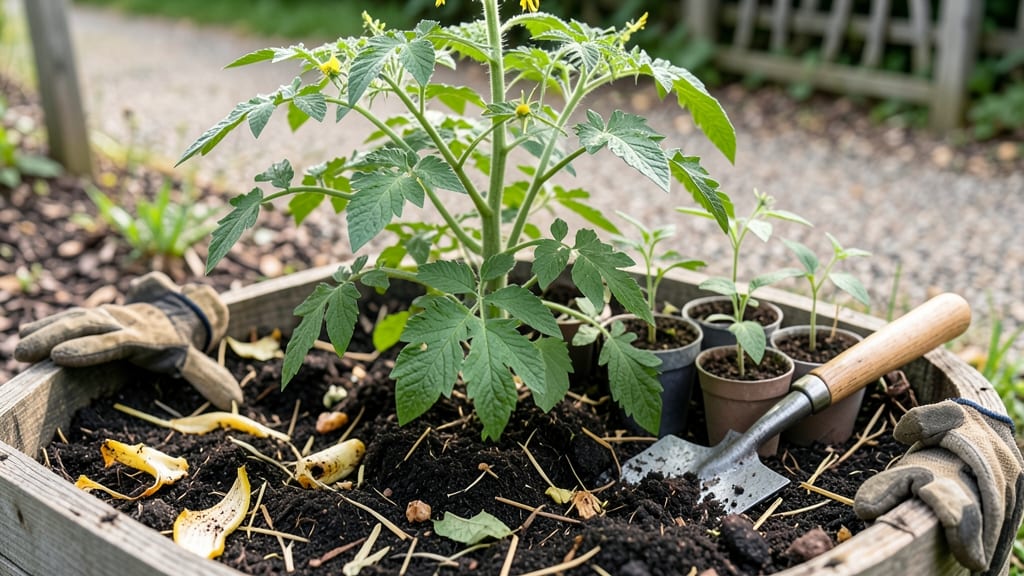
Your tomato seeds deserve the richest start possible—and compost is the secret weapon. 🌱 I’ve watched seedlings double in vigor when grown in the right compost-soil mix, and the difference shows up within days.
The key isn’t just any compost, but the right balance of nutrients and moisture that keeps roots happy without smothering growth.
Homemade or store-bought, compost adds the perfect mix of organic matter and microbial life that store-bought seed-starting mixes often lack.
You’ll need about one part compost to three parts potting soil, but the real magic happens in the texture—light enough to drain well, yet rich enough to feed those tiny roots as they break through the soil.
By the time your seedlings hit transplant size, they’ll be stockier and greener than anything from a nursery tray. The trick is keeping the mix moist but not soggy—think of it as a damp sponge, not a swamp.
Overwatering here is the fastest way to kill your seedlings before they even sprout.
This method works for any tomato variety, whether you’re growing heirlooms or hybrids, and scales from a single seed tray to a full seed-starting rack. Let’s get those seeds sprouting strong!
📚 In This Guide
- What you need
- Instructions
- Tips and common mistakes
- Wrapping up and next steps
What you need
- ● Finished compost: 2–3 gallons (or enough to fill a seed-starting tray). Look for dark, crumbly, and earthy-smelling compost with a balanced mix of greens (nitrogen) and browns (carbon). Avoid compost with weeds or large chunks.
- ● Tomato seeds: High-quality, heirloom, or hybrid seeds (e.g., cherry, beefsteak, or Roma). Start with 5–10 seeds per cell if using trays.
- ● Seed-starting containers: Biodegradable pots (peat or coconut coir)
- ● OR a seed tray with cells (2–4 inches deep)
- ● OR small plastic cups with drainage holes
- ○ Potting mix (optional but recommended): 1 part high-quality seed-starting mix + 1 part compost (blend for a 50/50 ratio). This prevents compaction and adds aeration.
- ● Spray bottle: For gentle watering (avoid over-saturating seeds).
- ● Small hand trowel or spoon: For mixing compost and potting soil.
- ○ Damp paper towels or seedling heat mat (optional): To keep seeds warm (70–80°F) until germination.
- ● Plastic wrap or humidity dome: To retain moisture during germination.
- ● Labeling tags: To track seed varieties (especially if testing multiple types!).
- ● Sterilize containers: Rinse with a 1:9 bleach-to-water solution (or soak in vinegar) to prevent mold.
- ● Test your compost: If unsure about quality, do a pH test (ideal: 6.0–7.0). Tomatoes thrive in slightly acidic to neutral soil!
- ● Light source: A sunny windowsill OR a grow light (12–16 hours/day once sprouted).
- ● Patience: Germination takes 5–14 days depending on the tomato variety and temperature.
Step-by-Step guide to using compost for tomato seedlings
Here's how to supercharge your tomato seeds with compost for stronger, faster-growing plants.
🌱 Step 1: Select the Right Compost for Seedlings
Use only finished compost—the kind that's dark, crumbly, and smells earthy (not fresh manure or half-decomposed material). I recommend worm castings or well-aged compost from a pile that's been curing for at least 6 months. These provide gentle, balanced nutrients without burning tender seedling roots.
Sift the compost through a ¼-inch mesh screen to remove large chunks that could harbor weeds or pests. You want a fine, fluffy texture that mixes evenly with your seed-starting mix. Store it in a dry container until ready to use—moisture can cause it to clump and lose its airy structure.
🌿 Step 2: Mix Compost Into Your Seed-Starting Soil
Combine 2 parts seed-starting mix with 1 part compost in a clean container. This ratio gives seedlings just enough nutrients to thrive without overwhelming them. I like to use a 50/50 blend for the first 2 weeks, then switch to a 75/25 mix once true leaves appear.
Moisten the blend lightly with warm water until it holds together when squeezed but doesn't drip. Overwatering now can cause seeds to rot before they germinate. Fill your seed trays or pots, leaving ½ inch of space at the top for watering later.
💧 Step 3: Plant Seeds and Maintain Moisture
Press tomato seeds ¼ inch deep into the compost-soil mix, spacing them ½ inch apart in rows. Cover lightly with a thin layer of the same blend—just enough to shield the seeds from light but not bury them too deep. Mist the surface gently with water until the top ¼ inch feels damp but not soggy.
Place the trays in a warm spot (75-85°F)—a seedling heat mat works wonders here. Keep the soil consistently moist by checking daily: the top layer should feel like a wrung-out sponge. Avoid letting it dry out completely, but don't drown the seeds either.
☀️ Step 4: Provide Light and Monitor Growth
Once seedlings emerge (usually in 5-10 days), move them to a bright, indirect light source immediately. A grow light 2-4 inches above the plants prevents leggy growth. You'll know they're getting enough light when the leaves are dark green and compact, not pale and stretched.
After the first true leaves appear (not the initial seed leaves), switch to a 50/50 compost-soil mix for repotting. This gives seedlings a nutrient boost as they grow. Watch for yellowing leaves—a sign of over-fertilization. If this happens, flush the soil with water to dilute excess nutrients.
✂️ Step 5: Transplant with Care for Continued Growth
When seedlings have 3-4 true leaves (about 4-6 weeks after sowing), transplant them into larger pots or the garden. Handle them gently by the leaves, not the stems, to avoid damage. Mix 1 part compost into the new soil to maintain their nutrient supply.
After transplanting, water deeply to settle the soil around roots. Shade the plants for 2-3 days to reduce stress, then gradually reintroduce them to full sun. You'll see stronger stems and deeper green leaves within a week—proof your compost boost is working!
Tips & tricks for supercharging tomato seedlings with compost
Here's what nobody tells you about getting the most out of your compost boost for tomato seedlings.
Compost Quality Check: The key to success starts with Step 1—never use fresh compost straight from the pile. The 6-month aging requirement is non-negotiable for seedlings. I've seen fresh compost burn tender roots within days. For an extra boost, mix in 10% worm castings with your finished compost—they're packed with beneficial microbes that seedlings love.
Mixing Ratio Secrets: In Step 2, that 2:1 seed-starting mix to compost ratio is perfect for the first two weeks, but here's the trick: if your seedlings look leggy before then, increase the compost to 50/50 immediately. The extra nutrients help them bulk up faster. Just watch for yellowing leaves—sign of over-fertilization—and flush with water if needed.
Heat Mat Hack: That 75-85°F range in Step 3 isn't just about warmth—it's about speed. I use a seedling heat mat set to the high end (85°F) for the first 5-7 days to jumpstart germination. Once seeds sprout, I drop it to 75°F to prevent overgrowth. The difference in germination time is dramatic—sometimes cutting it in half!
Light Transition Tip: When moving seedlings to light in Step 4, don't rush it. Start with 4-6 hours of indirect light the first day, then gradually increase. I've seen seedlings go from compact to stretched in 24 hours when moved too quickly. That grow light should be 2-3 inches away at first—closer than the instructions say—for those critical first days.
Pro Tips for Compost For Tomato Seeds
- Here's what nobody tells you about getting the most out of your compost boost for tomato seedlings.
- Compost Quality Check: The key to success starts with Step 1—never use fresh compost straight from the pile.
- Mixing Ratio Secrets: In Step 2, that 2:1 seed-starting mix to compost ratio is perfect for the first two weeks, but here's the trick: if your seedlings look leggy before then, increase the compost to 50/50 immediately.
Frequently asked questions
Got questions about using compost for your tomato seeds? You’re not alone! Here are some of the most common queries—and their straightforward answers—to help you grow like a pro.
Can I use any compost for tomato seeds?
Not all compost is created equal! For tomato seeds, opt for well-aged, nutrient-rich compost (like homemade or store-bought "finished" compost). Avoid fresh manure or unprocessed organic matter—it can introduce harmful bacteria or uneven moisture. A balanced mix with a 2:1 ratio of compost to potting soil works wonders.
How long before compost is safe for tomato seeds?
Fresh compost can be too "hot" (high in microbes) for delicate seeds. Wait 3–6 months after piling organic waste to let it fully decompose. Test it by squeezing—it should crumble easily without a strong ammonia smell. For speed, mix compost with sterile potting soil to dilute any residual heat.
What’s the ideal temperature for composting tomato seed mix?
Tomato seeds thrive in 65–75°F soil, but compost itself should be cooled before use. If your compost pile is still warm, let it sit in a shaded bin for a week. Pro tip: Pre-warm seed trays with the compost mix (not boiling!) to mimic spring conditions and kickstart germination.
What if my tomato seeds aren’t sprouting in compost?
Slow germination? Check these fixes:
- Moisture: Keep soil damp (not soggy)—use a spray bottle.
- Depth: Seeds need ¼ inch of coverage max.
- Light: Place trays near a sunny window or under grow lights.
- Compost quality: Mix in perlite or vermiculite for aeration.
Are there alternatives to compost for tomato seeds?
If compost isn’t an option, try:
- Coco coir: Retains moisture and drains well.
- Peat moss + perlite: Lightweight and sterile.
- Worm castings: Gentle, nutrient-packed, and pH-balanced.
- Store-bought seed starter: Convenient but pricier.
Wrapping up and next steps
Growing tomato seeds in nutrient-rich compost isn’t just a gardening hack—it’s a game-changer for vibrant, thriving plants! 🌱 By harnessing the power of well-balanced compost, you’re giving your seedlings a head start packed with essential nutrients, moisture retention, and natural pest resistance.
Whether you’re a seasoned gardener or just starting, this method proves that great results begin with great soil.
Now that you’re armed with the know-how, it’s time to roll up your sleeves and plant those seeds! Start small—try a few tomato varieties in your compost mix—and watch your garden flourish. Happy growing, and may your harvest be bountiful! 🍅✨