
Container Gardens
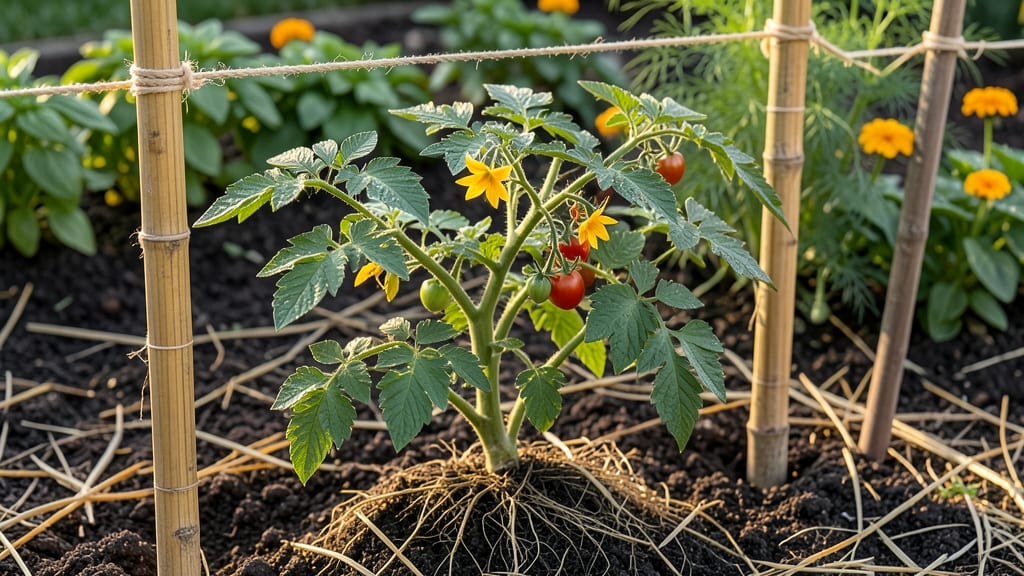
Cherry tomato growing stages reveal why these tiny fruits pack such a big punch—each phase transforms your plant from a fragile sprout into a bursting vine loaded with sweet, sun-ripened jewels. 🌱 I’ve watched my first seedlings stretch toward the light, then explode into flowering vines that feed me all summer, and I’m here to show you exactly what to expect at every turn.
The journey starts with germination (5-10 days), when those stubborn little seeds finally crack open, followed by the seedling stage where true leaves unfurl and roots dig deep.
Then comes the flowering phase—when you’ll spot those delicate yellow blossoms—and finally, the fruit set, where tiny tomatoes swell from the size of a pea to a juicy burst of flavor.
Each stage demands different care, from gentle watering to strategic pruning, and I’ll walk you through every milestone so you don’t miss a thing.
By harvest time, you’ll be snipping clusters of vibrant red (or yellow, purple, or orange!) tomatoes straight from the vine, their flavor far superior to anything store-bought. The secret?
Paying attention to the plant’s signals—wilting leaves mean thirst, yellowing flowers mean too much heat, and those first green tomatoes mean you’re on the right track. With the right timing and a little patience, your vine will reward you with weeks of effortless harvests.
This works for container gardens, raised beds, or even a sunny windowsill—just adjust your supports and spacing. Whether you’re a first-time grower or a seasoned pro, understanding these stages will help you troubleshoot faster and celebrate more victories. Let’s get those seeds started!
📚 In This Guide
- What you need
- Instructions
- Tips and common mistakes
- Wrapping up and next steps
What you need
- ○ Container: 5-gallon pot or larger (minimum 12" deep and wide for 1 plant; 1 plant per 10 sq ft of space). Optional: Self-watering pots or fabric grow bags for better drainage.
- ● Potting Mix: High-quality, well-draining container mix (avoid garden soil—it compacts!). Look for blends labeled for vegetables or tomatoes (e.g., Miracle-Gro Potting Mix or Fox Farm Ocean Forest). 1 bag (1.5–2 cubic feet) per 2–3 containers.
- ● Cherry Tomato Seeds or Seedlings: Seeds: 2–3 seeds per container (thin to 1–2 strongest seedlings). Popular varieties: ‘Sweet 100,’ ‘Sun Gold,’ or ‘Tiny Tim.’
- ● Seedlings: 1 healthy transplant per container (check for sturdy stems and vibrant leaves).
- ● Fertilizer: Starting: Balanced, water-soluble fertilizer (e.g., 10-10-10 or 5-5-5) mixed at half-strength when seedlings emerge.
- ● Growth: Tomato-specific fertilizer (e.g., 3-4-6 or 5-10-10) or organic options like fish emulsion or compost tea. Apply every 2–3 weeks once flowering begins.
- ● Support: Cage or trellis (5–6 ft tall) to encourage vertical growth and prevent sprawling. DIY option: Bamboo stakes or repurposed wire cages.
- ● Mulch: Organic mulch (e.g., straw or shredded leaves) to retain moisture and suppress weeds. 2–3 inches thick around the base.
- ● Watering Can or Hose: With a gentle spray nozzle to avoid disturbing soil.
- ● Pruning Shears: Small, sharp shears for trimming suckers and dead leaves.
- ● Grow Lights: LED grow lights (12–16 hrs/day) if starting seeds indoors before last frost.
- ● Drip Irrigation Kit: For consistent moisture without overwatering.
- ● Epsom Salt: 1 tbsp dissolved in water monthly for magnesium boost (especially in flowering stage).
- ● Row Covers or Shade Cloth: To protect seedlings from pests or harsh sun.
- ● pH Test Kit: To monitor soil pH (ideal range: 6.0–6.8).
How to track cherry tomato growth through key development phases
Watch your plants transform from tiny seeds to heavy-fruiting vines—here’s what to expect at each exciting stage.
🌱 Step 1: Germination and First True Leaves
After sowing, keep soil consistently moist at 75-85°F—you’ll see sprouts in 5-10 days. The first leaves (cotyledons) are simple and round, but don’t harvest anything yet. These serve as energy storage for the real growth ahead.
Once the first true leaves appear (they’ll look more tomato-like, with serrated edges), your seedlings are ready for their first real light. This usually happens 7-14 days after germination, depending on warmth. Thin to the strongest seedling per pot if you planted multiple seeds.
☀️ Step 2: Vegetative Growth and Flower Trusses
With proper 12-16 hours of light daily, your plants will shoot up quickly. Focus on strong stems—if they stretch leggy toward the light, move them closer. You’ll notice flower trusses forming in the leaf axils (where leaves meet stems) after 4-6 weeks from seed.
This is the moment to start pruning suckers—those little shoots growing between the main stem and branches. Pinch them off early to direct energy to fruit production. Healthy plants will develop 5-7 main stems by this stage, each capable of bearing clusters of sweet cherries.
🌿 Step 3: Flowering and Fruit Set
When tiny yellow flowers appear, your plant is telling you it’s ready to set fruit. For best results, maintain even moisture—fluctuations cause blossom drop. If your area gets below 55°F at night, consider using a floating row cover to protect flowers from cold.
Within 7-10 days of pollination (or hand-pollination if indoors), you’ll spot tiny green tomatoes forming. This is when regular balanced fertilizer (like 10-10-10) keeps production strong. Watch for hornworms—those striped caterpillars can devour leaves overnight.
🍅 Step 4: Fruit Ripening and Harvest Readiness
Cherry tomatoes change color in stages: green → pale yellow → pink → deep red (or whatever variety color you’re growing). Full ripeness means sweetness peaks—harvest when they’re firm but soft to gentle squeeze, usually 60-70 days from transplant.
Pick regularly to encourage more production. Overripe tomatoes split easily—check vines every 2-3 days during peak season. Store harvested fruit at room temperature for best flavor, or refrigerate for longer shelf life (though flavor declines slightly).
Tips & tricks for perfect cherry tomato growth
Here's what nobody tells you about growing these sweet little gems from seed to harvest.
Warmth is Everything: That 75-85°F soil temperature range for germination is non-negotiable. I've tried using heat mats to maintain consistent warmth—it makes all the difference when those first sprouts appear in just 5-10 days. If your space runs cooler, consider a seedling heat mat or even a warm spot on top of your fridge. The key is keeping that soil warm and moist consistently.
Light Matters More Than You Think: Those 12-16 hours of daily light aren't optional—they're essential for preventing leggy seedlings. I use a simple grow light on a timer to supplement natural light, especially in early spring. When you see those first true leaves (the ones with serrated edges), move your seedlings closer to the light source if they're stretching toward it. This is when you'll start seeing real tomato plant characteristics develop.
Pruning Secrets: When those suckers start appearing between your main stems and branches after 4-6 weeks, don't be afraid to pinch them off. I usually do this every week once they start showing up. This might seem counterintuitive, but it directs all that plant energy toward fruit production instead of extra foliage. Aim for 5-7 main stems—this is where all those sweet cherry tomatoes will form.
Cold Protection Strategy: If you're in an area where nights dip below 55°F, don't wait until flowers appear to protect them. I've used floating row covers successfully to maintain warmth around the flowers. Even a simple plastic tunnel can make a big difference in fruit set. The goal is to keep those flowers happy and pollinated so you get those tiny green tomatoes forming within 7-10 days.
Pro Tips for Cherry Tomato Growing Stages
- Here's what nobody tells you about growing these sweet little gems from seed to harvest.
- Warmth is Everything: That 75-85°F soil temperature range for germination is non-negotiable.
- Light Matters More Than You Think: Those 12-16 hours of daily light aren't optional—they're essential for preventing leggy seedlings.
Frequently asked questions
Got questions about growing cherry tomatoes?
You’re not alone! Here are answers to the most common queries to help you navigate every stage—from seed to harvest—with confidence.
How long does it take for cherry tomatoes to grow from seed to harvest?
Cherry tomatoes typically take 60–85 days to mature after sowing, depending on the variety. Fast-maturing types like ‘Sweet 100’ or ‘Tiny Tim’ may be ready in as little as 55–60 days, while heirlooms can take longer. Start seeds indoors 6–8 weeks before your last frost for a head start!
What’s the best temperature for growing cherry tomatoes?
Cherry tomatoes thrive in warmth! Keep soil temps above 55°F (13°C) for germination, and aim for 70–85°F (21–29°C) during the day for optimal growth. If nights dip below 50°F (10°C), use row covers or move containers to a sheltered spot. Pro tip: Avoid planting until all frost risk has passed!
Why are my cherry tomato leaves turning yellow or curling?
Yellowing or curling leaves usually signal pests, disease, or environmental stress. Check for:
- Aphids/spider mites: Spray with neem oil or introduce ladybugs.
- Fungal issues (early blight): Remove affected leaves and improve airflow.
- Over/underwatering: Soil should stay consistently moist but not soggy.
- Nutrient deficiency: Add a balanced fertilizer (like 10-10-10) if leaves are pale.
Can I grow cherry tomatoes in containers, and what’s the ideal pot size?
Cherry tomatoes are perfect for containers. Use pots at least 12–18 inches deep and 5+ gallons in size for dwarf varieties (like ‘Tumbling Tom’), or 20+ gallons for indeterminate types. Ensure pots have drainage holes and use a lightweight, well-draining potting mix. Bonus: Add trellis support early to save space!
How do I know when cherry tomatoes are ripe and ready to pick?
Ripe cherry tomatoes should be firm, vibrant in color (red, yellow, or purple, depending on variety), and slightly soft to the touch. They’ll also detach easily from the vine with a gentle twist. Pro tip: Pick them before frost—even green tomatoes can ripen indoors with a bit of ethylene (like an apple nearby!).
What can I do if my cherry tomato plants stop flowering?
Lack of flowers often stems from stress or imbalance. Try these fixes:
- Check light: Move plants to 6+ hours of direct sun daily.
- Balance nutrients: Too much nitrogen = leafy growth, no flowers. Switch to a low-nitrogen, high-phosphorus fertilizer (like 5-10-10).
- Water consistently: Drought or overwatering can stress plants.
- Hand-pollinate: Gently shake plants or use a small brush to transfer pollen if weather is too cool.
Wrapping up and next steps
Growing cherry tomatoes from seed to harvest is a rewarding journey filled with vibrant growth and delicious results! 🌱 Whether you're a beginner or a seasoned gardener, understanding the cherry tomato growing stages—from germination to fruiting—helps you nurture healthier plants and maximize your yield.
With the right care, patience, and a little love, you’ll soon be enjoying sweet, juicy tomatoes straight from your container garden.
Ready to take the next step? Start planting those seeds or seedlings today! Keep an eye on your plants, adjust care as needed, and soon, you’ll be savoring the fruits of your labor—literally. Happy growing! 🍅✨