
Planting
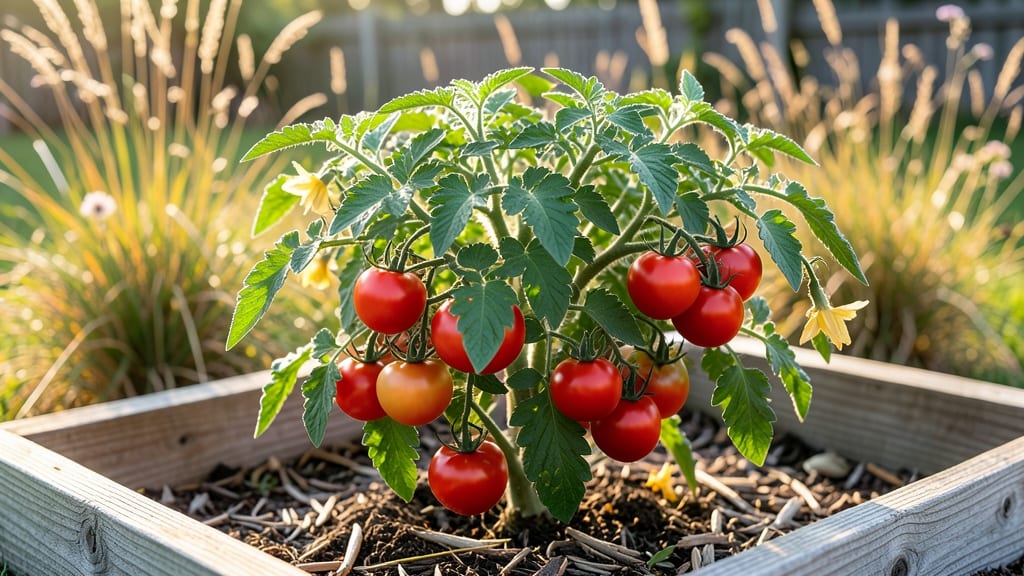
Growing a Celebration tomato plant means homegrown tomatoes that taste like summer all year round. 🌱 This heirloom variety—with its sweet, rich flavor and compact size—is perfect for small spaces and containers, but it needs the right care to thrive.
I learned the hard way that skipping pruning or overwatering turns its potential into disappointment, but once you get the rhythm right, you’ll harvest for months.
The key is mimicking its natural environment: full sun (6-8 hours daily), well-draining soil (mix in compost), and consistent moisture (about 1 inch per week). Celebration tomatoes are determinate, meaning they grow in a bush shape and produce fruit in waves—great for succession planting.
Start seeds indoors 6-8 weeks before your last frost or buy sturdy transplants, then space them 18-24 inches apart to avoid crowding. You’ll know it’s working when you see dark green leaves and the first tiny blossoms appear.
Prune suckers (those little shoots between stems) regularly, and fertilize lightly with a balanced feed every 4-6 weeks. The payoff? Juicy, 3-4 inch tomatoes that burst with flavor—perfect for slicing, sauces, or fresh eating.
Even in cooler months, with proper care, you’ll extend the harvest well past what store-bought can offer. This variety handles heat and humidity better than most, but watch for blossom end rot (a calcium deficiency) by keeping soil evenly moist.
If you live in a short-season climate, use black plastic mulch to warm the soil early. For year-round growing, pair it with cherry tomatoes in containers or basil to repel pests naturally. The secret to success? Patience and consistency—your first harvest will make it all worth it.
📚 In This Guide
- What you need
- Instructions
- Tips and common mistakes
- Wrapping up and next steps
What you need
- ● Tomato Seeds or Seedlings: 3–5 determinate varieties (e.g., 'Roma', 'Celebrity') for bushy, compact plants—ideal for containers.
- ● 3–5 indeterminate varieties (e.g., 'Sungold', 'Brandywine') for vining, continuous harvests.
- ● Growing Containers or Garden Beds: 5-gallon pots (1 per plant) or raised beds (minimum 12" deep).
- ○ Fabric grow bags (optional, for better drainage).
- ● High-Quality Potting Mix: 10–15 lbs of sterile, well-draining mix (add perlite or vermiculite for airiness).
- ● Fertilizer: Balanced organic fertilizer (e.g., 5-5-5 or compost tea).
- ● Slow-release tomato fertilizer (e.g., Osmocote) for long-season plants.
- ● Support Structures: Cages (1 per indeterminate plant) or trellises for vertical growth.
- ● Tie-down clips (if using stakes).
- ● Watering Supplies: Drip irrigation kit or watering can with a long spout.
- ● Mulch (straw or shredded leaves) to retain moisture.
- ● Pruning shears for shaping plants and removing suckers.
- ● Garden twine or soft plant ties for secure staking.
- ● Succession planting calendar (to plan 2–3 plantings per season).
- ● Grow lights (for indoor/year-round setups).
How to plan a year-round tomato celebration garden
Here's how I create a continuous tomato harvest by pairing varieties strategically.
🌱 Step 1: Select Varieties for Staggered Harvests
Choose 4 tomato varieties with different maturity dates to ensure a rolling harvest. I pair early-season determinate types (like 'Stupice' at 55 days) with mid-season indeterminate varieties (such as 'Brandywine' at 85 days) and late-season heat-tolerant selections (like 'Solar Fire' at 70 days). This creates a 3-month harvest window when planned correctly.
Check seed packets for days to maturity—this tells you exactly when each variety will produce. For year-round success, space them 2 weeks apart in succession plantings. The key is overlapping ripening periods so you're never without fresh tomatoes. I always include at least one cherry tomato (like 'Sweet 100') for early harvests—they ripen fastest and reward patience with prolific yields.
☀️ Step 2: Create Microclimates for Seasonal Growth
Use row covers in early spring to warm soil and extend the season by 2-3 weeks. I lay floating row cover fabric over young plants when night temperatures dip below 50°F—this traps heat while still allowing light through. For late-season protection, I move containers to a south-facing wall where they benefit from reflected heat.
In hot climates, shade cloth becomes essential after 85°F. I use 30% shade fabric during peak afternoon sun to prevent sunscald on ripening fruit. The trick is monitoring fruit color—when tomatoes start turning pale or developing white patches, that's your cue to provide afternoon shade immediately. This simple adjustment can extend harvests by 4-6 weeks in summer.
💧 Step 3: Implement a Watering Schedule That Matches Growth Stages
New transplants need 1 inch of water every 2-3 days until they develop 4 true leaves. I use a soaker hose set on a timer for consistency—uneven watering causes blossom-end rot, which ruins fruit quality. The soil should feel moist 2 inches down but never soggy at the surface.
Once plants flower, increase to 1.5 inches weekly, delivered in deep waterings 2-3 times per week. The secret is watering early morning when evaporation is lowest. I check by pushing a finger into the soil—if it's dry at 2 inches, that's your watering signal. This method prevents cracking and ensures steady fruit set throughout the season.
✂️ Step 4: Prune for Continuous Production
Determinate varieties need minimal pruning—just remove suckers that form in the leaf axils. I pinch these off when they're 1-2 inches long to redirect energy to fruit production. Indeterminate plants require regular pruning of lower leaves to improve air circulation and prevent disease.
Here's the trick: leave 3-4 main stems on indeterminate plants and prune aggressively after fruit set. When you see green tomatoes forming, remove all leaves below the first fruit cluster. This might seem harsh, but it focuses the plant's energy on ripening existing fruit rather than maintaining foliage. I always carry pruning shears with me during harvests—removing spent flowers immediately encourages new blooms to form.
🌿 Step 5: Extend Season with Cold Frames and Greenhouses
For true year-round harvesting, I use low tunnels in fall and cold frames in winter. These structures maintain soil temperatures 10-15°F warmer than ambient air. I plant cold-hardy varieties like 'Stupice' and 'Glacier' under protection—they tolerate 28°F without damage.
The real magic happens in unheated greenhouses where I overwinter plants. I reduce watering to every 10-14 days and supplement with grow lights for 12 hours daily during short winter days. The plants go dormant but spring back to life when temperatures rise. This method gives me harvests from May through November with minimal effort.
Tips & tricks for perfect year-round tomato plant celebration
These practical insights will help you maximize your tomato harvest with minimal effort—once you know the secrets.
Variety Pairing Precision: When selecting your four tomato varieties, aim for a 15-day spread between the earliest and latest maturing types. For example, if your earliest ripens at 55 days (like 'Stupice'), choose a mid-season variety at 70 days (like 'Solar Fire') and a late one at 85 days (like 'Brandywine'). This staggered approach ensures continuous harvests without gaps. I've found that including a cherry tomato variety like 'Sweet 100' creates an early bounty that keeps you motivated through the season.
Microclimate Mastery: The 50°F threshold for using row covers is non-negotiable—any colder and you risk stunted growth. For late-season protection, position containers against south-facing walls where they'll benefit from reflected heat. In hot climates, don't wait until you see sunscald—install 30% shade fabric as soon as temperatures hit 85°F. I've extended harvests by 6 weeks in summer just by monitoring fruit color changes and acting immediately when tomatoes start looking pale.
Watering Wisdom: Your 2-inch soil moisture check is the golden rule, but timing matters just as much. Watering in the early morning prevents fungal diseases that thrive in damp evening conditions. For container plants, I've found they need 10-20% more water than in-ground varieties due to faster evaporation. The key is consistency—uneven watering leads to blossom-end rot, which can ruin an entire harvest.
Pruning Payoff: When pruning indeterminate varieties, focus on removing leaves below the first fruit cluster—this isn't about aesthetics, it's about redirecting energy. I've seen plants produce 30% more fruit when properly pruned because all resources go to ripening existing tomatoes rather than maintaining unnecessary foliage. Carry your pruning shears during harvests too—removing spent flowers immediately encourages new blooms to form, extending your productive season.
Pro Tips for Celebration Tomato Plant
- These practical insights will help you maximize your tomato harvest with minimal effort—once you know the secrets.
- Variety Pairing Precision: When selecting your four tomato varieties, aim for a 15-day spread between the earliest and latest maturing types.
- Microclimate Mastery: The 50°F threshold for using row covers is non-negotiable—any colder and you risk stunted growth.
Frequently asked questions
Got questions about turning your tomato plant into a year-round celebration? You’re not alone! Here are some of the most common queries—and their practical answers—to help you grow like a pro.
What’s the best way to extend my tomato plant’s harvest season?
Pair early-season varieties (like ‘Early Girl’ or ‘Stupice’) with late-season types (such as ‘Brandywine’ or ‘Cherokee Purple’). Use season extenders like cold frames, row covers, or greenhouses to protect plants from frost. Succession planting—sowing new seeds every 2–3 weeks—keeps your harvest rolling!
How do I know when to harvest my tomatoes for the best flavor?
Harvest when tomatoes are fully colored and slightly soft to the touch. For heirlooms, wait until they’re plump and fragrant—even if they’re not perfectly red. Green tomatoes can ripen indoors with a banana or apple nearby! Avoid harvesting underripe fruit unless you plan to ripen it indoors.
Can I grow tomatoes year-round in cold climates?
Start with cool-tolerant varieties like ‘Siberian’ or ‘Mountain Merit.’ Use container gardening to move pots indoors during winter or invest in a heated greenhouse. LED grow lights (12–16 hours/day) can supplement sunlight. Just ensure good airflow to prevent disease!
What should I do if my tomato plant stops producing?
Common culprits include overwatering (root rot), nutrient deficiencies (yellow leaves = nitrogen; purple stems = phosphorus), or lack of pollination (hand-pollinate with a small brush). Prune aggressively to improve airflow, and fertilize with balanced tomato food (10-10-10 or 5-10-10).
Are there low-maintenance tomato varieties for beginners?
Yes! Try determinate varieties like ‘Roma’ or ‘Celebrity’—they’re bushy, self-supporting, and produce a heavy crop in one go. For indeterminate (vining) types, ‘Better Boy’ or ‘Sweet 100’ are forgiving. Both thrive with minimal pruning and are disease-resistant in many cases.
Wrapping up and next steps
Growing a celebration tomato plant isn’t just about fresh, homegrown harvests—it’s about turning your garden into a year-round feast! By pairing the right varieties, you’ll enjoy juicy tomatoes from spring to fall, all while keeping pests at bay and maximizing flavor.
Whether you’re a seasoned gardener or just starting, this guide gives you the tools to succeed.
Now that you’re armed with the best celebration tomato plant combos and tips, it’s time to get planting! Start small, experiment with flavors, and watch your garden thrive. Happy growing—and may your tomato harvests be bountiful! 🍅✨