
Vegetables
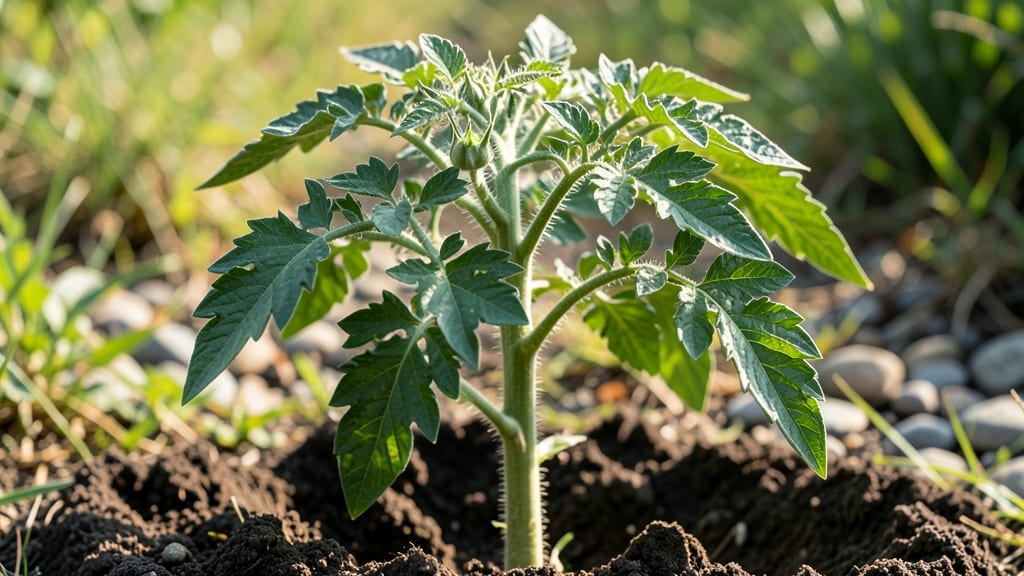
Growing beefsteak tomato seedlings strong enough to handle their massive fruit requires a trellis from day one. 🌱 I’ve learned the hard way—letting them sprawl leads to weak stems that snap under 1-pound tomatoes.
The secret isn’t just the trellis, though; it’s how you train them early to climb correctly so they don’t flop by midsummer.
Start with sturdy stakes or a cage at least 6 feet tall—beefsteaks need vertical space to avoid disease and rot. Plant seeds in biodegradable pots (no transplant shock!) and bury them deep enough that half the stem disappears underground.
This shockingly simple trick forces roots to grow along the buried stem, creating a stronger base for later growth. Water gently but consistently; soggy soil invites damping-off, while dry soil stunts those critical first leaves.
By the time your seedlings hit 6 inches tall, they’ll be ready for their first tie-up. Use soft twine or Velcro strips (no metal that cuts stems) to guide them upward.
You’ll notice the difference immediately: plants on trellises develop thicker stems and more flowers because their energy isn’t wasted sprawling. The payoff? Tomatoes that ripen evenly, stay cleaner, and support their own weight without breaking branches.
This method works for containers or in-ground gardens, though container-grown beefsteaks need slightly more frequent watering. Skip the flimsy supports—your future harvest depends on it. Let’s get those seedlings climbing right from the start.
📚 In This Guide
- What you need
- Instructions
- Tips and common mistakes
- Wrapping up and next steps
What you need
- ● Beefsteak tomato seeds – Choose heirloom or hybrid varieties like 'Brandywine,' 'Cherokee Purple,' or 'Big Beef' for robust seedlings.
- ● Seed-starting mix – A sterile, well-draining blend (e.g., Black Gold Seedling Mix or FoxFarm Seedling Soil), 10-15 lbs for a standard tray.
- ● Seedling trays or pots – 2-3 inch deep with drainage holes (biodegradable pots or 1020-cell trays work well).
- ● Grow lights or sunny windowsill – A 12-16 hour daylight setup (LED grow lights like Barney’s Bulbs are ideal).
- ● Watering can or spray bottle – With a fine mist nozzle to avoid disturbing seeds.
- ● Plant labels & marker – Track varieties (e.g., Dykam 1000 labels).
- ● Trowel or small shovel – For transplanting seedlings later.
- ● Fertilizer (balanced or organic) – 5-10-5 or fish emulsion (diluted to half-strength for seedlings).
- ○ Heat mat (optional) – 70-80°F for faster germination (e.g., Vivosun mat).
- ● Humidity dome or plastic wrap – Keeps moisture in until seeds sprout.
- ● Access to warmth (65-80°F) for germination.
- ● Patience! Seedlings take 7-14 days to sprout.
- ● Outdoor space or containers for hardening off (2-3 weeks before transplanting).
Step-by-Step guide to establishing sturdy trellis support for beefsteak tomato seedlings
Here’s how I transform rickety seedlings into robust, trellis-ready plants that support those massive beefsteak fruits.
🌱 Step 1: Choose the Right Trellis Design for Your Space
Beefsteak tomatoes need a strong, wide trellis—their vines can spread 6+ feet and weigh down flimsy supports. I use wooden T-posts with 2x4 crossbars for stability, or heavy-duty metal cages if I’m short on space. For containers, a freestanding bamboo teepee works, but anchor it with stakes to prevent toppling in wind.
Measure your garden bed or container width first. Place supports 12-18 inches from the plant’s base—close enough to guide vines upward without crowding. If using a grid system, space crossbars 12-18 inches apart vertically to prevent fruit rot from touching wet soil.
🪴 Step 2: Install Supports Before Seedlings Show First True Leaves
Wait until seedlings have 2-3 sets of true leaves (not just the initial cotyledons) before attaching them to the trellis. This ensures roots are established but stems aren’t brittle. I tie vines to the trellis with soft cloth strips or old T-shirts—never wire or plastic ties, which can girdle stems as they thicken.
Loop the tie around the main stem just above a leaf node (where leaves meet the stem) and secure it loosely. You’ll adjust it as the plant grows, but the goal is to guide growth upward, not restrict it. If using a cage, gently weave the main stem through the openings to encourage upward sprawl.
☀️ Step 3: Train Vines Weekly to Maximize Airflow and Sunlight
Beefsteak tomatoes need sunlight on all sides to prevent disease and even ripening. Every 7-10 days, gently coil the growing tip around the trellis in a spiral pattern, securing it with a new tie. This creates a fan shape that catches light and improves airflow, reducing humidity around leaves.
Watch for suckers (shoots growing in the leaf axils)—these drain energy. Pinch them off early to focus growth on the main stem. If a vine breaks under a heavy fruit, prune it back to the nearest leaf node and tie the remaining stem securely. This redirects energy to stronger growth.
✂️ Step 4: Prune Strategically to Balance Fruit Load and Stem Strength
When fruits reach golf-ball size, prune every other leaf below them to reduce weight on the stem. Leave one leaf per foot of vine to maintain photosynthesis. I also remove lower leaves touching the soil to prevent blight—this is critical for beefsteaks, which are prone to cracking from uneven weight distribution.
If your trellis sags under fruit weight, add a temporary support (like a wooden dowel) between the main stem and crossbar. Never let fruits drag on the ground—even for a day. Beefsteak tomatoes crack easily when overloaded, and once split, they’re ruined. Harvest when fully colored but still firm to avoid overripe collapse.
💧 Step 5: Water Deeply at the Base to Strengthen Stem Resilience
Water at the soil line, not overhead, to prevent fungal spores from splashing onto leaves. Aim for 1-1.5 inches of water per week, delivered in the early morning so foliage dries by afternoon. Beefsteak stems need consistent moisture to thicken—fluctuations cause weak spots that snap under fruit weight.
Mulch with 2-3 inches of straw or shredded leaves to retain moisture and insulate roots. Avoid synthetic mulches—they trap heat and stress plants. If your trellis sags mid-season, fertilize with a balanced 10-10-10 to boost stem strength, but reduce nitrogen after flowering to prioritize fruit over foliage.
Tips & tricks for sturdy beefsteak tomato support systems
Transforming delicate seedlings into sturdy, productive plants requires more than just a trellis—it's about creating a dynamic support system that grows with your tomatoes. Here's what I've learned from years of trial and error in the garden.
Structural Stability: When constructing your trellis framework, consider adding diagonal braces between T-posts for wind resistance, especially if you're in a breezy location. I've found that beefsteak vines can exert up to 50 pounds of force during peak production—standard crossbars alone won't cut it. For container gardens, use a weighted base or anchor your bamboo teepee with heavy-duty garden stakes driven into the soil at 45-degree angles.
Growth Monitoring: In Step 3, when you're training vines every 7-10 days, take a moment to examine the leaf nodes where you'll be tying. Look for small bumps—these indicate where new shoots will emerge. By tying just above these nodes, you encourage upward growth rather than lateral branching. This simple observation can save you hours of pruning later in the season when vines become unruly.
Pruning Precision: The "golf-ball size" guideline in Step 4 is your friend, but here's the secret: use a small pruning shears to make clean cuts at a 45-degree angle just above a leaf node. This prevents water from pooling at the cut site, reducing disease risk. I've also noticed that beefsteak tomatoes respond better to gradual pruning—remove just 2-3 leaves at a time rather than doing a major pruning session all at once. The plant adjusts more easily to this incremental change.
Seasonal Adjustments: As your plants mature, you'll need to modify your approach. Around mid-summer when fruits begin to swell, increase your watering to 1.5 inches per week and add temporary supports every 12 inches along the main stem. This prevents the sudden weight gain from causing vine collapse. The key is to work with the plant's natural growth patterns rather than fighting them.
Pro Tips for Beefsteak Tomato Seedlings
- Transforming delicate seedlings into sturdy, productive plants requires more than just a trellis—it's about creating a dynamic support system that grows with your tomatoes.
- Structural Stability: When constructing your trellis framework, consider adding diagonal braces between T-posts for wind resistance, especially if you're in a breezy location.
- Growth Monitoring: In Step 3, when you're training vines every 7-10 days, take a moment to examine the leaf nodes where you'll be tying.
Frequently asked questions
Got questions about growing beefsteak tomato seedlings? You’re in the right place! Here are some of the most common concerns—plus quick, actionable answers to keep your plants thriving.
When should I transplant beefsteak tomato seedlings outdoors?
Wait until after the last frost when soil temps hit 60°F+. Seedlings need strong stems (harden off for 7–10 days first!) and should be at least 12–16 inches tall with 4–6 true leaves. Plant deep—bury ⅔ of the stem to encourage root growth!
Can I grow beefsteak tomatoes in containers instead of a garden?
Use a 5-gallon+ pot with drainage holes and fill with lightweight potting mix. Place in full sun (6+ hours/day) and stake/trellis early—these vines get heavy! Just fertilize weekly with tomato-specific food for bigger yields.
Why are my beefsteak seedlings stretching or falling over?
This is etiolation—caused by too little light or overcrowding. Fix it by:
From seed to harvest: 70–90 days in warm climates, but 90–120 days in cooler zones. Start seeds indoors 6–8 weeks before last frost for a summer harvest. Patience pays off—these beauties grow 1–2 lbs each! Go for durable, breathable options:
Secure vines every 1–2 weeks as they grow—these plants love vertical space!
How long does it take for beefsteak tomatoes to produce fruit?
What’s the best trellis material for beefsteak tomatoes?
Wrapping up and next steps
Growing beefsteak tomato seedlings with sturdy trellis support is a game-changer for bountiful, healthy harvests! With the right materials and care, you’ll enjoy juicy, flavorful tomatoes that thrive—no flopping or stress in sight. 🌱
Now that you’re armed with the know-how, it’s time to roll up your sleeves and plant those seedlings. Start small, stay consistent, and watch your garden transform into a thriving tomato paradise. Happy growing!