
Companion Plants
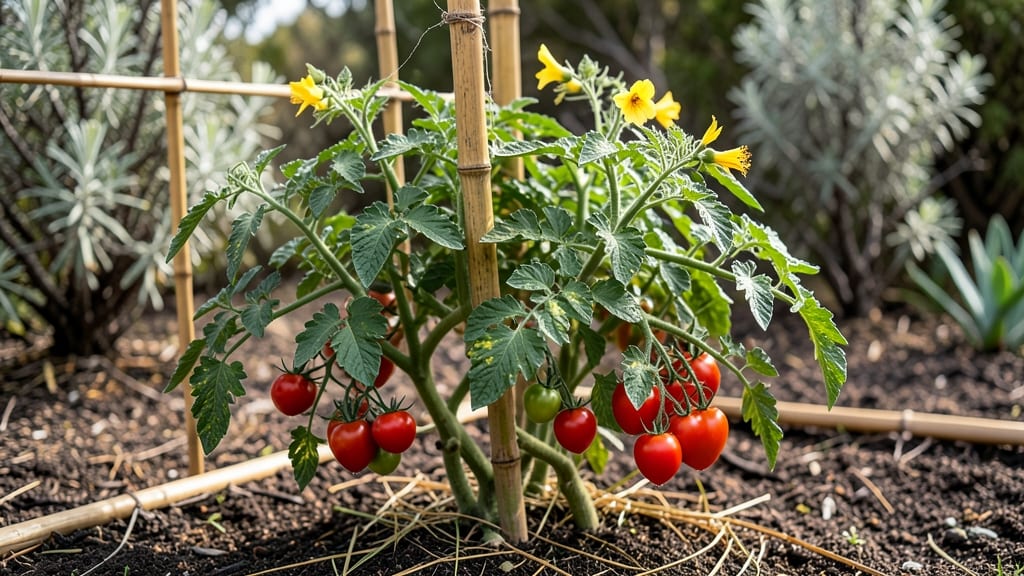
Growing Aussie tomato plants means drought-resistant harvests that thrive where others fail. 🌞 These heat-loving varieties—like 'Early Girl' or 'Solar Fire'—stay productive through 100°F heatwaves, making them perfect for Australia's sunbaked regions.
I've grown them in my backyard for years, and the secret lies in matching their needs to your climate's extremes.
The right soil and watering make all the difference. Aussie tomatoes prefer well-draining, slightly acidic soil (pH 6.0-6.8) mixed with compost to retain moisture without drowning roots. Mulch heavily with straw or pebbles to lock in moisture and keep roots cool.
My plants stay lush even during dry spells because I water deeply twice a week instead of daily shallow drinks.
You'll harvest sweet, meaty tomatoes starting around 65 days after transplanting, with plants continuing to produce until frost. The key is pruning aggressively to focus energy on fruit—not foliage—and using shade cloth on the hottest days to prevent sunscald. My bushes average 20-30 pounds per plant in a single season.
These varieties handle common pests like aphids and whiteflies better than standard tomatoes, but watch for fruit fly maggots in warm climates. A neem oil spray every 2 weeks keeps them at bay.
Aussie tomatoes are your ticket to a reliable harvest when other varieties wilt—here's how to make them thrive in your garden.
📚 In This Guide
- What you need
- Instructions
- Tips and common mistakes
- Wrapping up and next steps
What you need
- ● Drought-resistant tomato seeds or seedlings: Choose varieties like 'Black Krim', 'Solar Fire', or 'Heatmaster' (3–5 plants for a small garden, 6+ for larger harvests).
- ● Well-draining potting mix or garden soil: 10–20 lbs (or enough to fill containers if growing in pots). Mix in compost (5–10 lbs) for nutrients.
- ● Containers or garden beds: Containers: 5-gallon pots or larger (1 plant per container). Use fabric pots for better drainage.
- ● Garden beds: Raised beds (6–12 inches deep) or in-ground plots with amended soil.
- ● Mulch: Straw, wood chips, or drought-specific mulch (1–2 inches thick) to retain moisture.
- ● Tomato cages or stakes: 6–8 ft tall (2–3 per plant for support). Opt for galvanized metal for durability.
- ● Garden trowel or transplanting spade (for digging holes or containers).
- ● Pruners or shears (for trimming suckers and dead leaves).
- ● Watering can or drip irrigation system (with a soaker hose for deep watering).
- ○ pH testing kit (optional but helpful—aim for 6.0–6.8 soil pH).
- ● Gloves and knee pads (for comfort during planting!).
- ● Slow-release fertilizer (e.g., Osmocote or fish emulsion) to boost growth.
- ● Shade cloth (30–50% coverage) for seedlings if temps exceed 90°F (32°C).
- ● Companion plants: Basil, marigolds, or borage to deter pests and improve yield.
- ● Reflective mulch (e.g., aluminum foil) to reduce soil temps in extreme heat.
Step-by-step guide to growing Aussie tomato varieties in hot climates
Here's how I grow drought-tolerant Aussie tomatoes that thrive in the heat—no wilting, no fuss.
🌱 Step 1: Select the Right Heat-Resistant Varieties
Choose Aussie-bred varieties like 'Black Prince', 'Sungold', or 'Roma VF'—all bred to handle 90°F+ temperatures and dry conditions. These types resist cracking and sunscald, which regular tomatoes struggle with. I always opt for grafted plants when possible—they're more resilient to soil-borne diseases in hot climates.
Check seed packets for days to maturity (typically 60-75 days for cherry types, 80-90 days for slicing). Longer seasons mean more heat exposure, so prioritize early-maturing varieties. Avoid heirlooms unless you're in a cooler microclimate—they often bolt or produce poorly in sustained heat.
☀️ Step 2: Prepare the Planting Site for Heat
Tomatoes need 6-8 hours of direct sun daily, but in Aussie summers, they also need shade protection. I use shade cloth (30-50%) over the hottest 2-3 hours of the afternoon to prevent sunscald. Plant in well-draining soil amended with compost and aged manure—this improves moisture retention without staying soggy.
Mulch heavily with straw or wood chips (3-4 inches deep) to keep roots cool and conserve moisture. I water the mulch, not the leaves, to prevent fungal diseases. Space plants 2-3 feet apart—crowding increases humidity around foliage, inviting blight.
💧 Step 3: Water Deeply and Strategically
Water deeply twice weekly (or daily in 100°F+ heat) at the soil base, never overhead. I use drip irrigation or soaker hoses to deliver water 1-2 inches per week. Wet leaves in heat = instant disease risk. Check soil moisture by hand—if the top 2 inches feel dry, it's time to water.
Add a 2-3 inch layer of mulch after initial planting to lock in moisture. I've found that Aussie tomatoes handle dry spells better with consistent deep watering than frequent shallow drinks. Avoid wetting foliage entirely—even morning dew can trigger fungal issues in the heat.
✂️ Step 4: Prune and Support for Heat Stress
Prune suckers (side shoots) aggressively to improve airflow and reduce water loss. I remove all but the main stem and first few branches—this directs energy to fruit production. Use cages or stakes to keep plants upright; wind in hot climates can knock them over, exposing roots.
Pinch off flowers when nighttime temps drop below 55°F—they won't set fruit in cool conditions. In peak heat, I also remove lower leaves (up to 12 inches from the ground) to improve airflow and reduce humidity around the fruit. This prevents blossom-end rot, a common heat-related issue.
🌿 Step 5: Fertilize for Heat Tolerance
Use a balanced fertilizer (10-10-10) at planting, then switch to a low-nitrogen, high-phosphorus formula (5-10-10) when flowers appear. Aussie tomatoes need phosphorus to handle heat stress. I mix in compost tea every 2-3 weeks to boost microbial activity in the soil.
Avoid high-nitrogen feeds—they promote leafy growth at the expense of fruit. Instead, focus on potassium-rich amendments like wood ash or banana peels. Watch for signs of deficiency: yellowing leaves mean more nitrogen, while weak stems signal phosphorus needs. Adjust accordingly.
Tips & tricks for thriving Aussie tomato plants in heat
These battle-tested strategies will help your Aussie tomatoes beat the heat and produce like champions.
Heat-Resistant Variety Selection: When choosing between 'Black Prince', 'Sungold', or 'Roma VF', prioritize 'Sungold' for extreme heat zones—it thrives in temperatures above 95°F and produces fruit even when other varieties wilt. For urban gardens with limited space, 'Roma VF' is my go-to because its compact growth and disease resistance make it perfect for container growing in hot microclimates. The "VF" designation means virus-free, which is especially important in warm conditions where fungal spores spread rapidly.
Shade Strategy for Peak Heat: The 2-3 hours of afternoon shade I recommend should start when your local forecast hits 90°F—not when you see leaves wilting. I use white shade cloth (lighter than black) because it diffuses light rather than creating heat pockets. For a quick fix, hang lightweight row covers or even old bedsheets between stakes during the hottest part of the day. This prevents sunscald without stunting photosynthesis during morning sun exposure.
Soil Moisture Management: The key to that 1-2 inches per week watering guideline is checking soil moisture at the 2-inch depth—not just the surface. I've found that Aussie tomatoes actually perform better with slightly drier surface soil because it encourages deeper root growth. Use a moisture meter or your finger to test; if the top inch feels damp but the second inch is dry, that's your cue to water. This mimics natural drought conditions these varieties evolved to handle.
Pruning for Heat Stress Relief: When removing lower leaves up to 12 inches from the ground, don't just snip randomly—look for leaves that are yellowing or touching the soil. These are prime spots for fungal infections in hot, humid conditions. I also recommend pruning suckers more aggressively in heat waves, leaving only the top 3-4 main stems. This might reduce yield slightly, but the remaining fruit will be larger and less prone to cracking from uneven water distribution.
Pro Tips for Aussie Tomato Plants
- These battle-tested strategies will help your Aussie tomatoes beat the heat and produce like champions.
- For urban gardens with limited space, 'Roma VF' is my go-to because its compact growth and disease resistance make it perfect for container growing in hot microclimates.
- Shade Strategy for Peak Heat: The 2-3 hours of afternoon shade I recommend should start when your local forecast hits 90°F—not when you see leaves wilting.
Frequently asked questions
Got questions about growing aussie tomato plants in hot, dry climates? You’re not alone! Here are answers to the most common queries—from picking the right variety to keeping pests at bay.
What are the best aussie tomato varieties for drought-prone areas?
Look for heat-tolerant heirlooms like ‘Black Krim’ or hybrid ‘Heatmaster’. These thrive in high temps and need less water. ‘Solar Fire’ is another top pick—it’s disease-resistant and produces prolifically under stress. Always check seed packets for "drought-tolerant" labels!
How long does it take for aussie tomato plants to bear fruit?
Most varieties take 60–90 days from transplanting to first fruit, but heat can slow things down. ‘Early Girl’ (a faster Aussie-friendly hybrid) often fruits in 50–60 days. Patience is key—consistent watering (even in drought) speeds up ripening!
Can I grow aussie tomatoes in pots or containers?
Use 5-gallon containers with well-draining soil and place them in full sun. Add compost and mulch to retain moisture. Just ensure pots have drainage holes—root rot is a sneaky enemy in hot climates. Dwarf varieties like ‘Tiny Tim’ are perfect for containers.
What pests should I watch for with aussie tomato plants?
Common culprits include aphids, whiteflies, and tomato hornworms. Use neem oil or introduce ladybugs for natural control. Prune lower leaves to improve airflow and reduce fungal issues. If birds are snacking on your tomatoes, try row covers or reflective tape!
Why are my aussie tomato leaves turning yellow?
Yellow leaves usually mean overwatering, nutrient deficiency, or heat stress. Check soil moisture—drought-tolerant plants prefer deep but infrequent watering. Add balanced fertilizer (like 10-10-10) if leaves are pale. If edges curl, it’s likely too hot—provide afternoon shade temporarily.
Wrapping up and next steps
Growing aussie tomato plants is a fantastic way to thrive in hot, dry climates while enjoying fresh, flavorful harvests! 🌞 These drought-resistant varieties not only survive harsh conditions but also reward you with abundant yields—perfect for home gardeners and urban farmers alike.
Whether you're a beginner or a seasoned gardener, planting these resilient tomatoes is a step toward sustainable, low-maintenance gardening.
Ready to get started? Pick your favorite variety, prep your soil, and watch your garden flourish! 🌱 Start small, experiment with companion plants, and soon you’ll be savoring homegrown tomatoes year after year.