
Vegetables
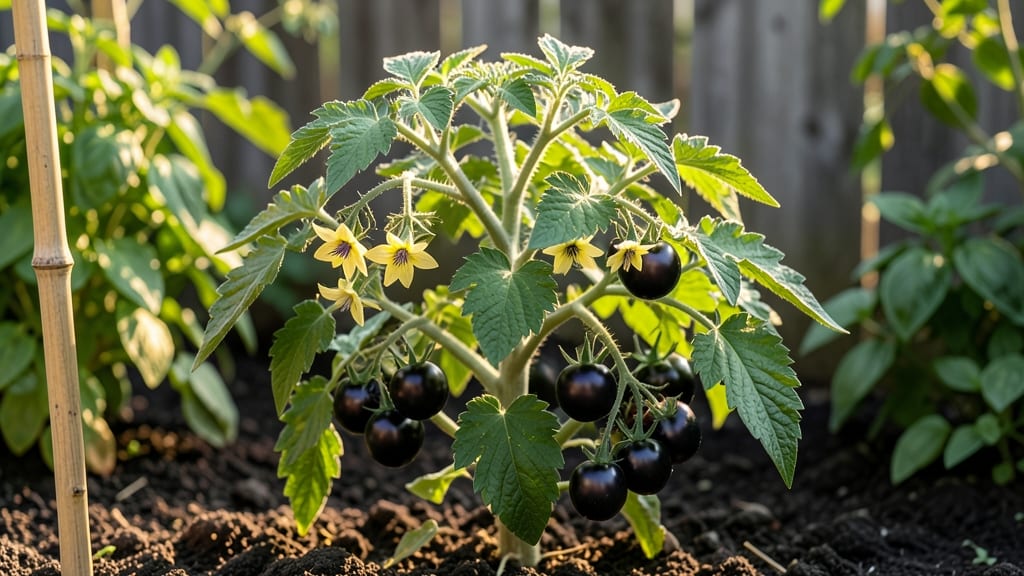
Ananas Noire tomato seeds turn your garden into a blackberry-pie surprise. 🌱 These deep purple-black fruits taste like sun-ripened candy with a hint of pineapple—no joke, the name means "black pineapple" for a reason. I grew my first plant last summer, and the moment I sliced into that glossy, almost-black skin, I was hooked. The secret to success starts with those rare seeds—extracting them from the fruit requires patience (soak, scrape, dry), but the reward is worth it. These tomatoes thrive in warm climates but adapt well to containers if you live in cooler zones. Give them 6-8 hours of sun daily, rich soil, and consistent moisture, and you'll be harvesting 3-5 pounds of fruit per plant by late summer. What makes Ananas Noire special isn't just the flavor—it's the dramatic color shift from green to deep purple-black as it ripens. The flesh stays firm even when overripe, making them perfect for slicing, sauces, or leaving whole on the counter as a conversation piece. Plus, they're disease-resistant, so you spend less time spraying and more time enjoying the harvest. Here's the kicker: these tomatoes are self-pollinating, so you don't need bees buzzing around. Just plant them 18-24 inches apart, stake them early (they get heavy!), and watch your garden become the talk of the neighborhood. Ready to grow something unforgettable?
📚 In This Guide
- What you need
- Instructions
- Tips and common mistakes
- Wrapping up and next steps
What you need
- ● Ananas Noire tomato seeds: 1–2 packets (or fresh seeds from a ripe fruit—see extraction tips below!)
- ● Seed-starting mix: 1–2 cups (sterilized, lightweight potting soil with perlite or vermiculite)
- ● Containers: 4–6 small pots (3–4 inches deep) or
- ● 1 seed tray with cell inserts (for germinating multiple seeds)
- ● Spray bottle: 1 (for gentle watering)
- ● Plastic wrap or humidity dome: 1 (to retain moisture during germination)
- ● Grow lights or sunny windowsill: Access to 6–8 hours of indirect light daily
- ● Seedling heat mat: 1 (speeds up germination in cooler climates)
- ● pH testing kit: 1 (ideal soil pH: 6.0–6.8 for tomatoes)
- ● Fertilizer: Balanced organic fertilizer (5-5-5 or compost tea) for transplanting
- ● Label markers: 1–2 (to track seed varieties)
- ● Pruning shears: 1 (for future plant maintenance)
Step-by-Step guide to extracting and saving Ananas Noire tomato seeds
Here's how to rescue those prized seeds from your heirloom tomatoes before they dry on the vine.
🌱 Step 1: Select and Harvest Ripe Black Tomatoes
Wait until your Ananas Noire tomatoes are fully ripe—deep black color with a slightly soft feel when gently squeezed. Cut them open with a sharp knife and scoop out the gelatinous seed gel along with the seeds. I always use a clean spoon to avoid introducing contaminants that could harm germination later.
Don't rush this step. Underripe tomatoes won't yield viable seeds, and overripe ones may have seeds that've already started to sprout or develop mold. You'll know they're perfect when the gel feels thick and slightly sticky, not watery or crumbly.
💧 Step 2: Ferment the Seeds for Clean Separation
Place the seed gel and seeds in a clean glass jar, then fill with water until the seeds are completely submerged. Cover loosely with a lid or cloth and let ferment at room temperature (70-75°F) for 3-5 days. Stir gently once daily to prevent mold from forming on the surface.
This fermentation process breaks down the gelatinous coating and separates viable seeds from non-viable ones. You'll see the good seeds sink to the bottom while empty or damaged seeds float to the surface. Watch for bubbles forming—this confirms fermentation is working properly.
✂️ Step 3: Rinse and Dry the Viable Seeds
After fermentation, pour the contents through a fine mesh strainer to separate the seeds from the remaining gel. Rinse the seeds thoroughly under cool water until the water runs clear. Spread them on a clean paper towel or seed-saving screen in a single layer, ensuring they don't touch each other.
Place the seeds in a warm, dry location with good air circulation (75-80°F) for 5-7 days. They're ready when completely dry and brittle to the touch. You'll know they're properly dried when you can hear them rattle slightly in the container. Store in a sealed envelope with the variety name and date.
🪴 Step 4: Stratify for Improved Germination (Optional but Recommended)
For even better results, place the dried seeds between damp paper towels in a sealed plastic bag. Store in your refrigerator (35-40°F) for 7-14 days. This cold stratification mimics winter conditions and helps break seed dormancy, which is particularly beneficial for heirloom varieties like Ananas Noire.
Check the seeds periodically during stratification. They should remain moist but not soggy. Once you're ready to plant, simply remove them from the refrigerator and let them warm up to room temperature for 24 hours before sowing. This gradual transition prevents seed shock.
⏰ Step 5: Prepare for Next Season's Planting
Label your seed packets clearly with the variety name ("Ananas Noire"), the year harvested, and any special notes about the plant's characteristics. Store in a cool, dark place with 30-40% humidity for optimal long-term storage. Properly stored seeds remain viable for 3-5 years, though germination rates may decline after the first year.
When ready to plant next season, soak seeds in warm water for 8-12 hours before sowing to speed up germination. Ananas Noire tomatoes typically take 7-10 days to sprout at 75-85°F. Keep the soil consistently moist but never waterlogged during this critical period.
Tips & tricks for perfect Ananas Noire seed preservation
These little-known techniques will help you maximize your seed yield and ensure the best possible germination for next season's Ananas Noire harvest.
Selection Tip: Harvest your tomatoes when they're fully black but still firm to the touch—this is when the seeds are at their most viable. I've found that tomatoes left on the vine until they're completely soft often produce seeds that've already begun to sprout or develop mold. The perfect moment is when the skin gives just slightly when pressed, but still holds its shape.
Fermentation Watch: During the 3-5 day fermentation in Step 2, watch for bubbles forming in the jar—this is your confirmation that the fermentation process is working properly. If you notice mold forming on the surface, simply skim it off with a clean spoon. The good seeds will sink to the bottom while empty or damaged seeds float to the top—this natural separation makes cleaning them a breeze once you pour through the strainer.
Drying Strategy: For the 5-7 day drying period in Step 3, I recommend using a seed-saving screen or even a piece of window screen if you don't have one. The key is good air circulation—place your seeds in a warm spot (75-80°F) where they can dry completely without touching each other. You'll know they're ready when they make a rattling sound in the container, indicating they're completely brittle and dry.
Stratification Insight: The optional 7-14 day cold stratification in Step 4 might seem like extra work, but it's worth it for heirloom varieties like Ananas Noire. This mimics winter conditions and helps break seed dormancy, which can significantly improve germination rates. Just remember to check your seeds periodically—they should stay moist but not soggy during this time.
Pro Tips for Ananas Noire Tomato Seeds
- These little-known techniques will help you maximize your seed yield and ensure the best possible germination for next season's Ananas Noire harvest.
- Selection Tip: Harvest your tomatoes when they're fully black but still firm to the touch—this is when the seeds are at their most viable.
- Fermentation Watch: During the 3-5 day fermentation in Step 2, watch for bubbles forming in the jar—this is your confirmation that the fermentation process is working properly.
Frequently asked questions
How long does it take for Ananas Noire tomatoes to produce seeds?
Ananas Noire tomatoes typically produce seeds after flowering, usually 50–70 days after pollination (depending on climate). The fruit will ripen to a deep black-purple hue before seeds are ready for extraction. Pro tip: Harvest seeds from fully ripe tomatoes for the best viability!
Can I save seeds from Ananas Noire tomatoes for next year?
Yes! These heirloom seeds are open-pollinated, meaning you can save them. Ferment the gel and seeds in water for 2–3 days to remove the pulp, then dry them on paper towels. Store in a cool, dark place for up to 3–5 years.
What if my Ananas Noire tomatoes don’t set fruit?
Poor fruit set often stems from lack of pollination or extreme heat/cold. Try hand-pollinating with a paintbrush or ensure bees visit your plants. Troubleshoot: Keep temps between 60–85°F and provide shade if needed.
Are Ananas Noire tomato seeds edible like regular tomato seeds?
Nope! While Ananas Noire seeds are safe to eat (they’re non-toxic), they’re hard and bitter—best used for planting. For flavor, focus on the fruit’s unique pineapple-like sweetness!
Where can I buy authentic Ananas Noire tomato seeds?
Look for reputable seed banks like Baker Creek Heirloom Seeds, Seed Savers Exchange, or specialty European nurseries. Avoid cheap knockoffs—authentic seeds ensure the true black-purple fruit and pineapple aroma!
What’s the best way to extract seeds without wasting fruit?
Scoop seeds from the core of a ripe tomato, rinse in water, and ferment in a jar for 24–48 hours. The gel will separate—save the seeds (they’ll sink) and discard the scum. Rinse, dry on paper towels, and store in an envelope!
Wrapping up and next steps
Unlocking the potential of Ananas Noire tomato seeds is like discovering a hidden garden gem—packed with flavor, rarity, and a touch of culinary magic! 🌱 Whether you're a seasoned gardener or a curious beginner, these seeds offer a unique twist to your harvest.
Now that you’re armed with the how-tos and answers to common questions, it’s time to grab those seeds, get growing, and savor the fruits of your labor.
Ready to take the next step? Start by planting a few seeds in your garden or balcony pot—your future black fruit treasure awaits! 🌍✨