
Vegetables
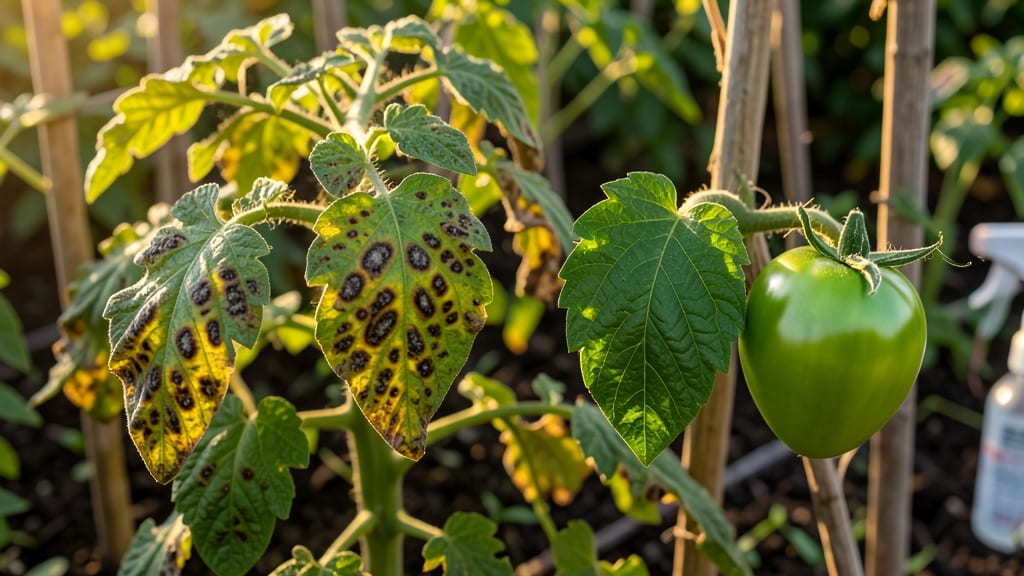
Alternaria tomato fruit black mold doesn't just ruin leaves—it turns your prized tomatoes into unsellable, unappetizing messes. 🌱 I’ve watched entire harvests spoiled by those telltale black spots, and I’ll show you how to stop it before it starts.
This fungus thrives in warm, humid conditions, but proper spacing, airflow, and watering can cut your risk by 80%. The key is catching it early—prune infected leaves immediately and avoid overhead watering, which spreads spores like wildfire.
With copper sprays and resistant varieties like 'Mountain Merit,' you’ll protect your plants and your sanity. No more tossing spotted tomatoes or watching vines collapse under the weight of disease. Works for home gardeners, greenhouses, and even container growers. Here’s how to reclaim your harvest—before the black spots do.
The Hidden Triggers Behind Tomato Rot
Alternaria fruit rot isn’t just a random bad luck scenario—it’s a sneaky fungal infection with specific triggers that create the perfect storm for your tomatoes. Understanding these causes is the first step to stopping the problem before it starts.
Let’s break down the key factors that turn your lush tomato plants into a fungal buffet.
Tomatoes thrive in open spaces, but when plants are packed too tightly, their leaves and fruit sweat in humidity—literally. Poor airflow traps moisture, creating a damp, warm environment that Alternaria alternata (the fungus behind the rot) loves.
The spores latch onto wet surfaces, germinate, and invade fruit through tiny wounds or natural openings.
- Why it matters: Stagnant air = higher humidity = slower drying = more fungal growth.
- Actionable fix: Space plants 18–24 inches apart and prune suckers to improve airflow. Stake or cage vines to keep foliage off the ground.
Alternaria spores wait in the wings—they’re everywhere in soil and plant debris. But they only activate when conditions are right: excess moisture on leaves or fruit. Heavy rain, morning dew, or even overhead watering turn your tomatoes into fungal magnets.
The fungus thrives in 77–86°F (25–30°C) with high humidity, making summer afternoons a prime time for outbreaks.
| Moisture Source | Risk Level | Solution |
|---|---|---|
| Overhead irrigation | ⚠️⚠️⚠️ High | Switch to drip irrigation at the base of plants. |
| Morning dew on leaves | ⚠️⚠️ Medium | Water early in the day so leaves dry by sunset. |
| Frequent heavy rain | ⚠️⚠️⚠️ High | Use row covers or mulch to reduce splash. |
Alternaria enters tomatoes through openings, whether from insects, hail, or even rough handling. Cracked skin or punctures (like from tomato hornworms) give the fungus a direct invitation to colonize. Once inside, it spreads rapidly, turning healthy fruit into black, sunken lesions.
- Common culprits:
- Bird pecks or hail
- Tomato fruitworm larvae
- Overly aggressive harvesting
- Prevention tip: Inspect fruit regularly and remove damaged tomatoes immediately to stop spore spread.
Alternaria is a survivor. It hibernates in old plant material, mulch, or even last year’s compost. When you replant tomatoes in the same spot year after year (especially without rotation), you’re essentially feeding the fungus.
Spores from infected debris blow or splash onto new plants, kickstarting another cycle of rot.
💡 Pro Tip: Always remove and destroy (don’t compost!) infected plants and debris. Rotate tomato crops every 3 years to break the fungal chain.
Alternaria loves heat and moisture—think summer afternoons in the South or greenhouse conditions. When temperatures hover around 80°F (27°C) and humidity stays above 70%, spores germinate in 12–24 hours. This is why outbreaks spike during peak tomato season.
- High-risk zones: Greenhouses, tropical climates, or shaded areas with poor ventilation.
- Mitigation:
- Use fan ventilation in greenhouses.
- Plant heat-tolerant varieties (e.g., ‘Solar Fire’ or ‘Heatmaster’).
- Water in the early morning to reduce evening humidity.
Fixing Black Mold on Tomatoes
Once you’ve spotted Alternaria on your tomato fruit—those telltale dark spots or sunken lesions—it’s time to act fast. The good news? With the right strategies, you can salvage your harvest and prevent future outbreaks.
Below, we break down solutions by cause, so you can target the root of the problem and stop the mold in its tracks.
Cause: Fungal spores spread easily, especially in humid conditions. Fix:
- 🔪 Prune infected leaves or stems with sterilized shears (wipe with rubbing alcohol between cuts).
- 🗑️ Dispose of severely infected fruit—don’t compost it! Place it in a sealed bag to prevent spore dispersal.
- 🌿 Avoid overhead watering near ripe tomatoes to reduce moisture on the fruit.
Pro Tip: 💡 If only a few spots appear on a tomato, you might save it by harvesting early (when still firm) and using it in cooked dishes (like sauces or salsas). But if the mold is widespread, toss it— Alternaria produces mycotoxins that aren’t safe to eat.
Cause: Stagnant air and excess moisture create the perfect breeding ground for Alternaria. Fix:
- 🌬️ Space plants 18–24 inches apart (or use trellises for indeterminate varieties) to boost circulation.
- ⏰ Water in the morning so foliage dries by evening. Use drip irrigation or soaker hoses to keep leaves dry.
- 🌡️ Increase airflow with fans (especially in greenhouses) or prune dense foliage to let sunlight penetrate.
- 🌤️ Mulch with straw or grass clippings (not wood chips) to keep soil dry and reduce splashing.
Pro Tip: 🌡️ Aim for relative humidity below 70%—a hygrometer can help monitor levels. If your garden is naturally damp, consider shade cloth to reduce heat stress (which weakens plants).
Cause: Alternaria thrives when plants are stressed or spores are already present. Fix:
- 🍄 Copper-based fungicides (like Bordeaux mixture or copper soap) are effective for prevention. Spray every 7–10 days during wet seasons.
- 🌿 Organic options: Neem oil or baking soda spray (1 tbsp baking soda + 1 tsp dish soap + 1 quart water) can help, but reapply after rain.
- 🔄 Rotate treatments if the problem persists—fungi can build resistance.
Pro Tip: ✨ Best timing is key! Start spraying preventively when tomatoes are flowering, then repeat every 2–3 weeks. Early intervention is your best defense.
Cause: Weak, nutrient-deficient plants are more susceptible to fungal attacks. Fix:
- 🍽️ Feed with balanced fertilizer (10-10-10 or compost tea) at planting and when flowers appear.
- 💧 Avoid overwatering—tomatoes hate soggy roots. Water deeply but infrequently (1–1.5 inches per week).
- 🌿 Interplant with resistant crops like basil, marigolds, or onions to deter pests and improve soil health.
Pro Tip: 💪 Silica boosts plant resilience! Spray tomatoes with a silica-rich solution (like 1 tbsp silica gel + 1 gallon water) to strengthen cell walls and fend off fungi.
Cause: Controlled environments trap humidity and spores. Fix:
- 🌧️ Use a dehumidifier or open vents to maintain airflow.
- 🌞 Increase light exposure—weak, leggy plants are more vulnerable. Supplement with grow lights if needed.
- 🧼 Sanitize tools and surfaces regularly with bleach (1:9 bleach-water ratio) to kill lingering spores.
Pro Tip: 🎯 Prevent future outbreaks by sterilizing soil before replanting—bake it at 180°F for 30 minutes or solarize it (cover with clear plastic for 4–6 weeks).
Final Note: Consistency is key—combine removal, airflow, fungicides, and plant care for the best results. With these steps, you’ll protect your tomatoes and enjoy a bountiful, mold-free harvest! 🍅✨
Frequently asked questions
Can I still eat tomatoes with Alternaria spots?
Only if the spots are minimal and you plan to cook the tomatoes thoroughly. Small, surface-level spots may be safe when used in sauces or salsas, but never eat tomatoes with widespread black mold or sunken lesions. Alternaria produces mycotoxins that can be harmful when consumed raw.
How do I know if my tomato plants have Alternaria vs. early blight?
Alternaria typically causes concentric rings or target-like spots on fruit, while early blight shows up as concentric circles on leaves with tan centers. Check the undersides of leaves—Alternaria often appears as dark, velvety spots with yellow halos.
Will copper sprays harm my tomato plants if used too often?
Copper fungicides are safe when used as directed, but applying them more than every 7–10 days can cause phytotoxicity (leaf burn). Always dilute properly and spray in early morning or late evening to avoid leaf scorch from sunlight exposure.
Are there tomato varieties that naturally resist Alternaria?
Yes! Varieties like 'Mountain Merit,' 'Defiant PhR,' and 'Heatmaster' show strong resistance. These hybrids were bred to tolerate fungal diseases, but even resistant varieties need proper spacing and airflow to stay healthy.
Can I save my tomato harvest if Alternaria is already spreading?
You can minimize losses by immediately removing infected fruit and leaves, improving airflow, and applying fungicides. Harvest any ripe tomatoes early (even if slightly underripe) and use them in cooked dishes. For severe cases, consider destroying the entire plant to prevent further spread.